

Table of Contents
- Best Skincare for Glowing Skin: Our Top Picks
- How We Selected These Products
- Building a Complete Best Skincare Routine for Glowing Skin
- Glowing Skin Routine for Sensitive Skin
- Vitamin C Serum for Glowing Skin and Brightening
- How to Get Glowing Skin: Hydration, Antioxidants, and Protection
- Which Skincare Should You Choose?
- Frequently Asked Questions
Last Updated: October 7, 2026
Best Skincare for Glowing Skin: Our Top Picks
Achieving radiant, glowing skin doesn't require an overwhelming routine or premium price tags. The best skincare for glowing skin 2026 combines three core elements: hydration, antioxidant protection, and consistent sun defense.
The difference between dull and glowing skin often comes down to whether your skin barrier is properly supported and protected. This guide breaks down which products work, how to layer them, and which routine structure suits your skin type.
Quick Comparison Table
| Product | Price | Best For | Key Benefit |
|---|---|---|---|
| The Ordinary Niacinamide | $9.99 | All skin types | Balanced tone and texture |
| The Ordinary Hyaluronic Acid | $13.37 | Dehydrated skin | Deep hydration |
| The Ordinary Glycolic Acid | $12.15 | Dull, textured skin | Radiance and smoothness |
| Dark Spot Correcting Serum | $22.00 | Uneven tone | Brightening and fade |
| Anua PDRN Hyaluronic Acid Cream | $42.50 | Dry skin | Lasting moisture |
| Hydrating Cream for Dry Skin | $91.21 | Very dry skin | Rich nourishment |
| Bronzing Skincare Serum | $39.00 | All skin tones | Natural glow |
| Salicylic Acid Toner | $148.07 | Oily, textured skin | Pore refinement |
How We Selected These Products
We prioritized products that deliver radiance improvements while remaining gentle enough for daily use, focusing on ingredients like niacinamide for tone, hyaluronic acid for hydration, glycolic acid for texture, and antioxidants for protection.


The best skincare for glowing skin 2026 emphasizes ingredient compatibility and layering order. We selected items that pair well and absorb efficiently, with options from under $10 to over $140.
Building a Complete Best Skincare Routine for Glowing Skin
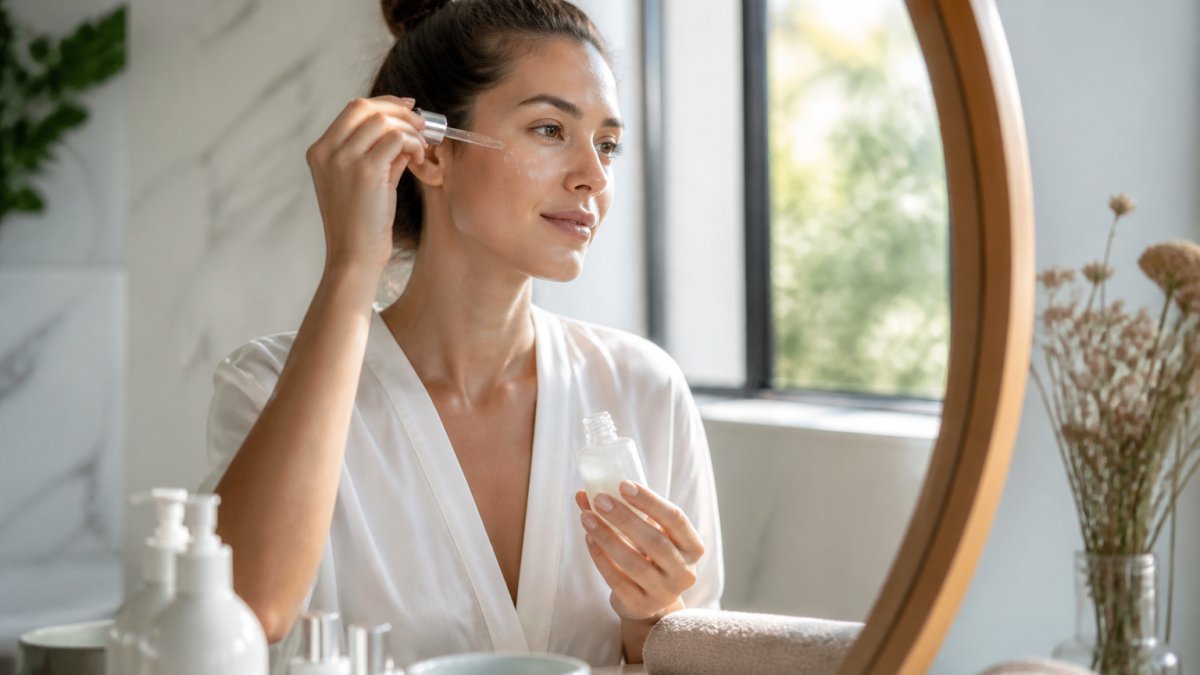
A glowing skin routine for any skin type follows the same structure: cleanse, treat, hydrate, and protect. The order matters because some ingredients work best on clean skin, while others need sealing in with moisturizer.
The Layering Rules That Actually Matter
Three rules govern almost every conflict in a radiance routine:
- Thinnest to thickest. Water-based serums go before oils and creams; reversing this blocks lighter products from absorbing.
- pH-dependent actives go first, on dry skin. Glycolic and salicylic acid need a low-pH environment; applying them after a hydrating serum raises surface pH and reduces effectiveness. Apply to clean, dry skin, wait 10-15 minutes, then continue.
- Antioxidants in the morning, exfoliants at night. Vitamin C and niacinamide support daytime defense against UV and pollution. Acids and retinoids increase photosensitivity, so they belong in the evening.
Layering niacinamide directly over a low-pH acid can cause flushing, a temporary pH interaction, not an allergy. Separate them by 10-15 minutes, or use one in the morning and one at night.
Morning Routine Steps
Step 1, Gentle cleanse. Remove overnight oils and dead skin cells.
Step 2, Antioxidant serum on damp skin. Apply The Ordinary Hyaluronic Acid to damp skin.
Step 3, Niacinamide. Follow with The Ordinary Niacinamide, which supports smoother tone and controls excess oil.
Step 4, Moisturizer. For normal to combination skin, the Anua PDRN Hyaluronic Acid Cream provides hydration without heaviness.
Step 5, Broad-spectrum SPF 30 or higher. Sun protection is the single most important step for long-term glow.
Evening Routine Steps
Step 1, Double cleanse if you wore SPF or makeup. An oil-based cleanser breaks down sunscreen and sebum; a water-based cleanser removes residue.
Step 2, Active treatment on dry skin. If your skin tolerates acids, The Ordinary Glycolic Acid can support a smoother, more radiant-looking complexion; start once or twice weekly, then increase as your skin adjusts.

Step 4, Hydrating serum. Apply The Ordinary Hyaluronic Acid again. Skin loses moisture overnight, so this serum supports the barrier while you sleep.
Step 5, Moisturizer to seal. The Anua PDRN or Hydrating Cream for Dry Skin seals in hydration and actives.
A Realistic Timeline for Results
Radiance is not a 3-day result. Based on how skin turnover works (roughly a 28-day cycle for most adults, longer after age 40):
- Hydration and plumpness: noticeable within 3-7 days of consistent use.
- Tone and texture improvements from niacinamide: typically 4-8 weeks.
- Hyperpigmentation fading from tranexamic acid or arbutin: 8-12 weeks, sometimes longer.
- Barrier repair after over-exfoliation: 2-4 weeks of simplifying your routine.
If you see no change at all after 12 weeks of consistent use, the product or the frequency is the problem, not your skin.
Glowing Skin Routine for Sensitive Skin
Sensitive skin requires a gentler approach to building a best skincare routine for glowing skin. Skip active acids initially and focus on hydration and barrier support.
Start with a hydrating cleanser that won't strip skin; avoid foaming cleansers, which can be drying. Use The Ordinary Hyaluronic Acid as your primary treatment, it's universally tolerated and visibly hydrating.
The Ordinary Niacinamide is gentle enough for sensitive skin and helps support the appearance of skin tone, texture, and excess oil. Finish with the Anua PDRN Hyaluronic Acid Cream or Hydrating Cream for Dry Skin.
Vitamin C Serum for Glowing Skin and Brightening
Vitamin C serums are celebrated for brightening and antioxidant protection, but they're not the only route to a luminous complexion. The Dark Spot Correcting Serum uses niacinamide, tranexamic acid, and arbutin to fade dark spots and help achieve a more even skin tone.
This serum targets hyperpigmentation directly: niacinamide enhances dull skin, minimizes enlarged pores, and promotes a more radiant complexion; tranexamic acid and arbutin effectively address post-acne scars, sun spots, and overall skin discoloration.
How to Get Glowing Skin: Hydration, Antioxidants, and Protection
Glowing skin comes from three foundational elements working together. Not every ingredient marketed under these umbrellas is equally supported, knowing which is which saves money and irritation.
Hydration and Skin Barrier Support
Hydration is the foundation of any best skincare for glowing skin 2026 routine. Dehydrated skin looks dull, flaky, and aged; properly hydrated skin reflects light.
The Ordinary Hyaluronic Acid is designed to provide hydration and support a smoother, more supple-looking complexion.
For dry, tight skin, the Hydrating Cream for Dry Skin provides comfortable moisture and helps support a soft, hydrated-looking complexion. The Hydrating Korean Sheet Mask delivers a soothing and hydrating skincare experience.
Antioxidants and Skin Protection
Antioxidants neutralize free radicals that damage skin and cause dullness.
Bakuchiol, a natural retinol alternative in the bronzing serum, enhances skin texture for a smoother appearance.
Well-supported radiance ingredients: niacinamide, vitamin C (L-ascorbic acid and stable derivatives), tranexamic acid, arbutin, azelaic acid, glycolic acid, lactic acid, retinoids, bakuchiol, ceramides, and SPF filters.
Trendier claims with thinner evidence: PDRN, exosome products, snail mucin for brightening specifically, and most "glow" marketing terms that don't name an active.
Sun Protection and Daily Defense
Sun protection is the most underrated step in any skincare routine. UV damage causes dullness, uneven tone, and premature aging; without daily SPF, no other product delivers lasting results. Apply broad-spectrum SPF 30 or higher every morning, even indoors, and reapply every two hours outside.
The Salicylic Acid Toner is designed to support a smoother-looking complexion while helping reduce the appearance of enlarged pores. Use it in the evening after cleansing, before serums and moisturizer.
Judging Value: Cost Per Use, Not Sticker Price
A $9 serum used twice daily for three months costs about $0.05 per application; a $148 toner used weekly for a year costs about $2.85. Sticker price tells you almost nothing about value, cost per use does. Rough math for this guide's products:
- The Ordinary Niacinamide ($9.99, ~60 days of twice-daily use): about $0.08 per use.
- The Ordinary Hyaluronic Acid ($13.37, ~60 days of twice-daily use): about $0.11 per use.
- The Ordinary Glycolic Acid ($12.15, ~4-6 months at 2x/week): about $0.25 per use.
- Dark Spot Correcting Serum ($22.00, ~45 days of twice-daily use): about $0.49 per use.
- Anua PDRN Hyaluronic Acid Cream ($42.50, ~60 days of twice-daily use): about $0.71 per use.
- Hydrating Cream for Dry Skin ($91.21, ~90 days of twice-daily use): about $1.01 per use.
- Bronzing Skincare Serum ($39.00, ~60 days of daily use): about $0.65 per use.
- Salicylic Acid Toner ($148.07, ~12 months at 1x/week): about $2.85 per use.
A complete radiance routine can be built for under $40 total using the three The Ordinary products plus a drugstore SPF.
Patch Testing, Irritation, and When to See a Professional
Before introducing any new active, acid, retinoid, vitamin C, or brightening serum, patch test on the inner forearm or behind the ear for 3-5 nights. If redness, itching, or bumps appear, stop and wait until skin is calm before trying a lower concentration or different active.
See a dermatologist rather than adjusting your routine for persistent cystic acne, sudden widespread pigmentation changes, a mole that changes shape or color, or irritation that doesn't resolve within two weeks of stopping the product.
Which Skincare Should You Choose?
Your best skincare for glowing skin 2026 depends on your skin type and concerns.
For oily or combination skin: Start with The Ordinary Niacinamide and The Ordinary Hyaluronic Acid.
For dry skin: The Hydrating Cream for Dry Skin is your foundation.
For uneven tone or dark spots: The Dark Spot Correcting Serum is your priority, morning and night.
For a natural glow: The bronzing skincare serum adds warmth without makeup.
Achieving glowing skin doesn't require expensive treatments or complicated routines.
Frequently Asked Questions
What is the best skincare routine for glowing skin?
A complete best skincare routine for glowing skin includes cleansing, hydration, targeted treatments, moisturizing, and sun protection. Morning routines focus on lightweight hydration and protection, while evening routines can include exfoliating acids and richer moisturizers. Start with The Ordinary Hyaluronic Acid ($13.37) for hydration, add The Ordinary Niacinamide ($9.99) to balance skin tone, and finish with a moisturizer like the Anua PDRN Hyaluronic Acid Cream ($42.50). Consistency matters more than complexity, use the same routine for 6-8 weeks before expecting visible radiance.
Can vitamin C serum help you get glowing skin?
Yes, vitamin C serums are powerful antioxidants that brighten skin and support radiance. While our catalog includes brightening alternatives like the dark spot correcting serum ($22.00) with niacinamide and tranexamic acid, the dark spot correcting serum is formulated to enhance dull skin, minimize enlarged pores, and promote a more radiant complexion through its 10% niacinamide content.
What is the best skincare for glowing skin if you have sensitive skin?
For glowing skin routine for sensitive skin, prioritize hydration and gentle actives over harsh exfoliants. Start with The Ordinary Hyaluronic Acid ($13.37) to provide hydration, then add The Ordinary Niacinamide ($9.99), which is well-tolerated by sensitive skin and helps support the appearance of skin tone, texture, and excess oil. Use the Hydrating Korean Sheet Mask ($62.16) weekly for a soothing and hydrating skincare experience. Avoid combining multiple active ingredients at once, and always patch-test new products. Skip strong exfoliants like glycolic acid until your skin feels stable.
How long does it take to see glowing skin results?
Most people notice improvements in skin texture and hydration within 2-3 weeks of consistent use. Visible radiance and brightness typically appear after 6-8 weeks. Brightening results from serums targeting hyperpigmentation, like the dark spot correcting serum, may take 8-12 weeks to show significant fading of dark spots. The timeline depends on your starting point, skin type, and consistency. Using products both morning and evening accelerates results compared to once-daily use.
Do I need sunscreen for glowing skin?
Yes, daily sun protection is essential for maintaining glowing, healthy-looking skin. UV exposure causes dullness, uneven skin tone, and accelerates aging. SPF 30 or higher should be part of your morning routine after serums and moisturizer. Sun protection prevents hyperpigmentation and preserves the radiance you build with your skincare routine. Without SPF, even the best skincare routine will struggle to maintain visible glow, as sun damage undoes brightening and antioxidant benefits.