

Table of Contents
- How to Identify Combination Skin
- Understanding Your T-Zone and Dry Areas
- Best Ingredients for Combination Skin
- Combination Skin Routine Steps
- Zoning: The Key to Balancing Your Routine
- Seasonal Adjustments for Combination Skin
- Budget-Friendly vs. Luxury Layering Strategies
- Common Mistakes to Avoid
- Frequently Asked Questions
Last Updated: October 4, 2026
How to Identify Combination Skin
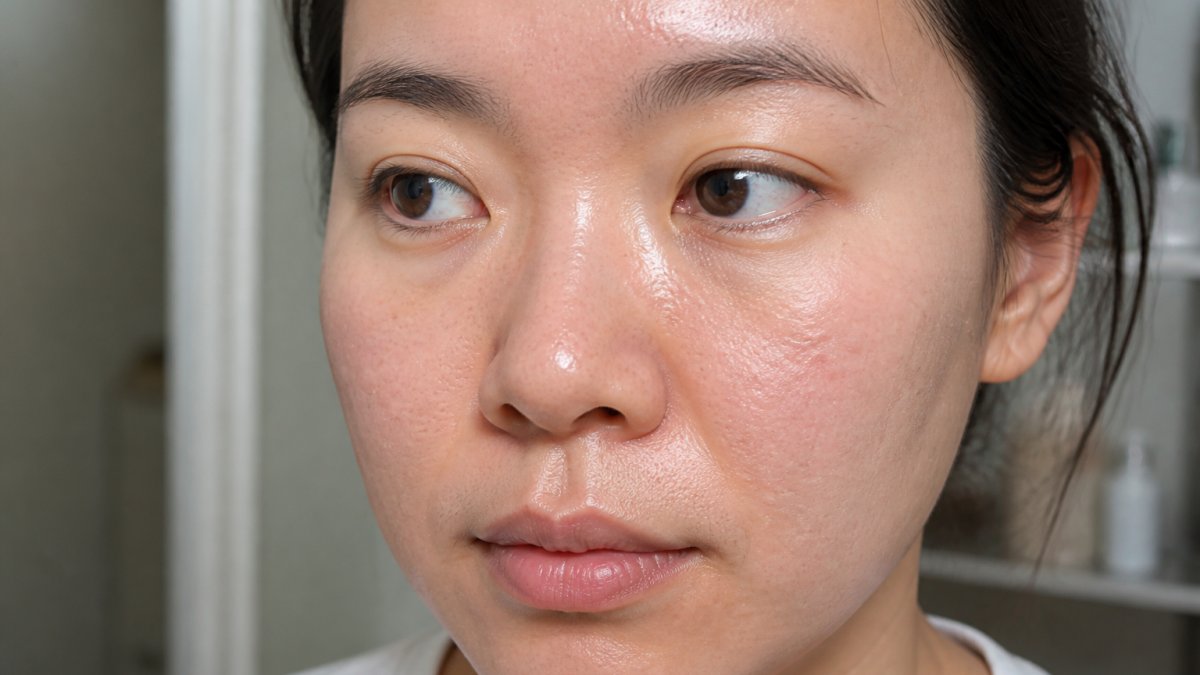
Combination skin is when some areas of your face are oily while others are dry or normal. Most people with combination skin struggle with an oily T-zone (forehead, nose, chin) and dry cheeks. This is the most common skin type, and it needs a balanced approach to work well (pubmed.ncbi.nlm.nih.gov).
The key to identifying combination skin is paying attention to how different zones feel. Your T-zone might feel slick by midday, while your cheeks feel tight or flaky. You might notice enlarged pores in oily areas and rough texture in dry spots. This uneven pattern is what sets combination skin apart from other types.
Combination skin isn't broken or difficult to manage. It just needs the right strategy.
Check these signs to confirm you have combination skin:
- Shiny forehead, nose, or chin by afternoon
- Dry or tight feeling on cheeks
- Different texture across your face
- Enlarged pores in T-zone only
- Flakiness in some areas, smoothness in others
Understanding Your T-Zone and Dry Areas
Your T-zone produces more sebum because it has more oil glands concentrated there. This is normal biology, not a flaw. The dry areas on your cheeks and jawline don't produce as much natural oil, so they need extra hydration.
The real challenge with combination skin is that one product can't fix both problems at once. A heavy moisturizer might clog your T-zone. A strong cleanser might strip your dry areas. This is why zoning matters so much.
Understanding what's happening in each zone helps you make smarter choices:
- T-zone: Needs oil control and pore management
- Cheeks: Need hydration and barrier repair
- Chin and jawline: Often dry and sensitive
Many people make the mistake of treating their entire face the same way. That approach rarely works for combination skin. You'll either over-dry some areas or over-oil others. The solution is acknowledging that different zones have different needs.
Best Ingredients for Combination Skin
Certain ingredients work better for combination skin because they balance both concerns. The best ingredients don't just treat one problem. They address oil control, hydration, and barrier health at the same time.
Look for ingredients that are lightweight and non-comedogenic. These won't clog pores or feel heavy on oily zones. At the same time, they should support hydration without leaving a greasy residue.
Niacinamide for Oil Control and Balance
Niacinamide helps regulate sebum production and supports a balanced complexion (pubmed.ncbi.nlm.nih.gov). This ingredient works across your entire face without making dry areas worse. It's one of the most versatile options for combination skin.
Niacinamide strengthens your skin's lipid barrier, which means it helps your skin hold onto moisture better. For oily zones, it reduces excess oil without over-drying. For dry zones, it supports hydration retention.
Dermatology research on niacinamide benefits shows that this ingredient improves skin texture and reduces the appearance of enlarged pores. It's gentle enough for sensitive skin and effective enough for active acne-prone zones.
The Ordinary Niacinamide is a straightforward way to add this ingredient to your routine. It's lightweight, easy to layer with other products, and affordable.

Hyaluronic Acid for Hydration Without Heaviness
Hyaluronic acid draws moisture into your skin without leaving an oily or sticky feel. This is what makes it so valuable for combination skin. It hydrates dry areas while staying light enough for oily zones.
Hyaluronic acid is a humectant, which means it pulls water from the air and deeper skin layers into your outer skin. This keeps your skin plump and comfortable without adding oil.
Use hyaluronic acid serums before your moisturizer. Apply to damp skin for maximum hydration. The moisture in the air (or on your skin from your cleanser) helps hyaluronic acid work better.
The Hyaluronic Acid Foaming Facial Cleanser from S&Y company combines cleansing with hydration support. It removes daily buildup without stripping your skin.
Salicylic Acid for Pore Management
Salicylic acid is a beta hydroxy acid that works inside pores to reduce congestion and refine texture. For combination skin, it's most useful in your T-zone where pores are larger and more visible.
Salicylic acid dissolves oil inside pores. This prevents buildup and keeps pores looking smaller. It's especially helpful if you have congestion or occasional breakouts in your oily zones.
Use salicylic acid products only where you need them. Apply to your T-zone after cleansing, before other products. Start with 2-3 times per week if your skin is sensitive.
The Salicylic Acid Toner for Pore Minimizing provides targeted pore support. Apply it after cleansing to prepare your skin for serums and moisturizers. This toner helps maintain a fresh, clear-looking complexion without over-drying.
Combination Skin Routine Steps
Learning how to choose skincare for combination skin means following a simple structure: cleanse, treat, moisturize, protect. Each step matters, and the order makes a difference.
Step 1: Cleanse with a Gentle Formula
Start with a gentle cleanser that removes oil and buildup without stripping your skin. Your cleanser is the foundation of your routine. If it's too harsh, it triggers more oil production.
A foaming cleanser works well for combination skin because it removes oil effectively without being harsh. Look for cleansers with hydrating ingredients so your dry areas don't feel tight after washing.
Use lukewarm water, not hot. Hot water opens pores and can trigger more oil production. Massage the cleanser gently across your face for 30-60 seconds, then rinse thoroughly.
The Hyaluronic Acid Foaming Facial Cleanser is designed for this exact purpose. It cleanses without over-drying. Use it morning and evening to prepare your skin for the rest of your routine.

Step 2: Apply Targeted Toners and Serums
After cleansing, apply treatments that address specific concerns in each zone. This is where zoning becomes practical. Your T-zone might get a pore-minimizing toner. Your cheeks get a hydrating serum.
Wait for your cleanser to dry completely before applying toners or serums. Damp skin dilutes products and reduces their effectiveness. Pat your face dry with a clean towel.
Apply products in this order:
- Toner or essence (if using)
- Serums or treatments
- Moisturizer
- Sunscreen (morning only)
The Salicylic Acid Toner works well for T-zone treatment. Apply it with a cotton pad or your hands to oily areas only. Follow with The Ordinary Niacinamide on your entire face. This combination addresses oil control and balance without over-complicating your routine.
Step 3: Moisturize Each Zone Separately
Use different moisturizers for different zones, or use one lightweight formula everywhere. For combination skin, a single light moisturizer often works better than layering multiple heavy creams.
Apply moisturizer to damp skin. This helps your skin lock in hydration. Use a lightweight gel-cream or water-based formula that won't feel heavy on your T-zone.
If your cheeks are significantly drier, you can apply a richer cream just to those areas after your lightweight moisturizer. This targeted approach prevents over-moisturizing your oily zones.
The Hydrating Cream for Dry Skin works well for dry cheeks and jawline. Apply it after your lighter moisturizer to areas that need extra support. You don't need to use it everywhere.
Step 4: Protect with Broad-Spectrum SPF
Sunscreen is non-negotiable for combination skin. Sun exposure triggers more oil production and can darken dry patches. A good sunscreen protects against both UVA and UVB damage.
Look for sunscreens labeled oil-free or lightweight. Mineral sunscreens can feel heavy on combination skin. Chemical sunscreens tend to feel lighter. Choose based on what feels comfortable on your skin.
Apply sunscreen as your final morning step. Use enough to cover your entire face (about a quarter teaspoon). Reapply every 2 hours if you're outside.
Zoning: The Key to Balancing Your Routine
Zoning is treating different areas of your face with different products based on their needs. This is the most effective approach for combination skin. It acknowledges that your skin isn't one type. It's multiple types in one face.
Most people with combination skin fail because they try to use the same product everywhere. A heavy moisturizer clogs the T-zone. A strong cleanser dries the cheeks. Zoning solves this problem.
Divide your face into zones:
- T-zone: Forehead, nose, chin
- Cheeks: Both sides of your face
- Eye area: Delicate and often dry
- Jawline: Often combination of oily and dry
For each zone, ask what it needs. Your T-zone needs oil control and pore management. Your cheeks need hydration and barrier support. Your eye area needs gentle, lightweight care.
Apply products accordingly. Use a pore-minimizing toner on your T-zone. Use a hydrating serum on your cheeks. This targeted approach takes the same amount of time but delivers better results.
Seasonal Adjustments for Combination Skin
Your skin changes with the seasons. Winter makes dry areas drier. Summer makes oily areas oilier.
Winter: Your skin loses moisture faster in cold, dry air. Add an extra hydrating step or use a richer moisturizer on dry areas.
Spring: As temperatures rise, oil production increases. This is a good time to introduce or increase salicylic acid use.

Summer: Heat and humidity boost oil production everywhere. Switch to lighter formulas. Use sunscreen religiously.
Fall: As humidity drops, dry areas start feeling tight again. Gradually increase hydration. This is a good transition time to add back richer moisturizers.
The key is paying attention to how your skin feels. If it feels tight, add hydration. If it feels oily, lighten your formula.
Budget-Friendly vs. Luxury Layering Strategies
Building a routine doesn't require expensive products. The most important factor is consistency and choosing the right ingredients for your skin type.
Budget-friendly approach: Focus on essentials. You need a cleanser, a treatment product, a moisturizer, and sunscreen. That's it. The Ordinary Niacinamide is affordable.
Luxury approach: Luxury moisturizers might feel more luxurious on your skin. But the core ingredients work the same way whether they cost $15 or $150.
The honest truth is that most people see better results by using affordable products consistently than by using expensive products inconsistently.
If you prefer luxury products, focus your budget on serums and treatments. These are where premium ingredients make the biggest difference. Use affordable cleansers and moisturizers. This balanced approach gives you the best of both worlds.
Common Mistakes to Avoid
Most people with combination skin make predictable mistakes that make their skin worse, not better.
Mistake 1: Using the same product everywhere. This is the biggest mistake.
Mistake 2: Over-cleansing. Washing your face more than twice daily strips your skin and triggers more oil production.
Mistake 3: Skipping moisturizer on oily zones. Your T-zone needs hydration even if it's oily.
Mistake 5: Not using sunscreen. Sun exposure worsens combination skin.
Mistake 6: Changing your routine too often. Your skin needs 4-6 weeks to adjust to new products.
Mistake 7: Ignoring your skin barrier. Over-exfoliating or using too many harsh products damages your skin barrier.
Start with a gentle cleanser, add targeted treatments for each zone, and use a lightweight moisturizer.
Frequently Asked Questions
How do I know if I have combination skin?
Combination skin typically shows shine and excess oil in the T-zone (forehead, nose, chin) while the cheeks and temples feel dry or normal. You may notice enlarged pores in oily areas and tightness or flaking in dry zones. The key is that different areas of your face have different needs. Pay attention to how your skin feels 2-3 hours after cleansing, oily patches appearing alongside dry patches confirm combination skin.
What are the best ingredients for combination skin?
Niacinamide helps balance sebum production and supports a smoother complexion without over-drying. Hyaluronic acid provides hydration without adding heaviness, making it ideal for oily zones. Salicylic acid addresses pore congestion and excess oil in the T-zone. Ceramides and antioxidants strengthen your lipid barrier, preventing dehydration. Look for non-comedogenic, oil-free formulas with these active ingredients to avoid clogging pores while maintaining moisture balance.
Can I use the same moisturizer on my entire face if I have combination skin?
You don't have to use two different moisturizers, but a gel-cream texture or lightweight water-based moisturizer works well across your whole face. These formulas hydrate dry areas without making the T-zone greasy. Alternatively, apply a richer cream only to dry zones and a lighter moisturizer to oily areas. The goal is moisture balance, your skin needs hydration everywhere, just in different textures depending on the zone.
How does hormonal influence affect combination skin routines?
Hormonal fluctuations can intensify oiliness in the T-zone or increase dryness in other areas throughout your cycle or during life changes. During high-hormone phases, you may need to increase exfoliation or use stronger oil-control products. During other phases, focus on barrier repair and hydration. Tracking your skin's behavior across your cycle helps you adjust your routine timing and product strength to match your skin's changing needs.