
Table of Contents
- What Makes Premium Loungewear Different
- Durability and Longevity: The Cost-Per-Wear Advantage
- Benefits of Natural Fiber Loungewear
- Best Loungewear for Zoom Calls and Working from Home
- How to Care for Luxury Loungewear and Extend Its Life
- Environmental Impact: Fast Fashion vs. Sustainable Loungewear
- The Verdict: Is Premium Loungewear Worth the Investment
- Frequently Asked Questions
Last Updated: September 27, 2026
What Makes Premium Loungewear Different
Premium loungewear differs from standard options through superior fabric quality, construction, and design. You're buying pieces engineered for comfort, durability, and longevity rather than disposability.
True premium loungewear uses natural fibers like bamboo that breathe better, feel softer, and maintain integrity through dozens of wash cycles. Standard loungewear relies on synthetic blends or lower-grade cotton that pill, fade, and lose shape after a few months.
Premium loungewear features reinforced seams and thoughtful construction that accounts for fabric movement. Budget loungewear uses thinner thread and simpler seam patterns that fail under regular wear.
Premium loungewear balances comfort with intentional styling, pieces that work for lounging but don't look sloppy on video calls. This requires attention to fit, drape, and visual details that budget options skip.
Durability and Longevity: The Cost-Per-Wear Advantage
The strongest argument for premium loungewear worth it is cost-per-wear analysis. A piece costing twice as much but lasting five times longer delivers better value over time.
Consider this: a budget loungewear set at $25 that wears out after 30 washes costs $0.83 per wear. A premium set at $50 that remains comfortable and holds its shape after 150 washes costs $0.33 per wear. The premium option becomes cheaper the longer you own it.
Durability depends on fiber density, seam quality, and pilling resistance. Natural fibers develop a softer hand with washing. Synthetic blends pill after a few months and lose elasticity.
Premium pieces survive washing better, reinforced seams don't separate, and fabric weight prevents stretching and distortion. This longevity justifies the upfront cost.
Benefits of Natural Fiber Loungewear
Natural fibers deliver tangible benefits that synthetics struggle to match. Bamboo feels better against skin and performs better over time.
Breathability and Moisture Management
Natural fibers absorb moisture better than synthetics. During extended wear, natural fibers allow moisture vapor to pass through, keeping skin dry and preventing the clammy feeling synthetics create.
Bamboo viscose performs better in humid environments, with capillary channels that move moisture away faster than cotton fibers.
Synthetic blends trap heat and moisture because polyester repels rather than absorbs it, creating discomfort after a few hours of wear.
Hypoallergenic Properties and Skin Compatibility
Natural fibers are gentler on skin than synthetics. Synthetic fibers' smooth surface doesn't absorb skin oils and sweat, which accumulate on the fiber surface and can irritate sensitive skin or trigger reactions in people with eczema or contact dermatitis.
Bamboo absorbs skin oils and moisture into the fiber rather than trapping them on the surface, reducing irritation. Natural fibers' pH is closer to skin pH, while synthetics are neutral and can disrupt the skin's acid mantle.
Thermal Regulation and Temperature Adaptation
Natural fibers adapt to body temperature through their crimped structure, which traps air pockets that insulate in cold and allow circulation in heat. This is why natural fiber loungewear works across seasons.
Polyester traps body heat but can't release it, making it uncomfortable in warm weather. In cold weather, synthetics feel cold because they don't absorb body warmth like natural fibers do.
The Tactile Experience and Sensory Impact
Premium natural fiber loungewear feels softer and activates neural pathways associated with comfort and stress reduction. Synthetic textures activate different pathways that create subtle tension.
Comfort fabrics worn during relaxation can influence cortisol and sleep quality. People wearing soft natural fiber sleepwear report better sleep and lower stress than those in synthetics.
Loungewear you enjoy wearing gets worn more frequently, improving cost-per-wear. Premium pieces feel luxurious and get reached for repeatedly.
Durability of Natural Fiber Structure
Natural fibers improve with washing. Natural fibers are hygroscopic, absorbing and releasing moisture to stay flexible and prevent the brittleness that causes synthetics to pill.
Synthetic fibers degrade with washing as UV and heat break down polymer chains, causing pilling. Natural fibers don't become brittle; the fabric structure remains intact.
Best Loungewear for Zoom Calls and Working from Home
Premium loungewear worth it is especially clear for work-from-home professionals who need comfort for 8+ hours while looking polished on camera.
Garment Construction for On-Camera Appearance
On-camera loungewear success depends on how the garment drapes. Video compression exaggerates fit issues, so construction details matter more than in person.
Look for pieces with intentional seaming like princess seams or strategic darts that hold shape on camera and guide fabric to follow body contours rather than hang loosely.
Set-in sleeves create a polished silhouette on camera. Drop-shoulder or oversized sleeves read as sloppy because excess fabric creates visual bulk. A sleeve fitting close to the shoulder works best.
Curved or shaped hems create visual interest and prevent a standard loungewear look. A hem hitting mid-thigh or knee-length creates a more intentional silhouette.
Fabric Weight and How It Reads on Video
Lightweight fabrics (under 150 gsm) cling and show every contour. Heavier fabrics (200+ gsm) drape generously and create a smoother visual line on camera.
Mid-weight fabrics (150-200 gsm) balance drape and fit. Fleece blends in this range read as intentional and polished rather than casual.
Cotton-blend fleece drapes better on camera than pure cotton jersey at the same weight because polyester adds body to the fabric.
Color Strategy for Video Calls
Solid, medium-to-dark colors read best on video. Bright whites cause glare, pale colors wash out. Medium grays, navy, charcoal, and earth tones are safest for video calls.
Small patterns create visual noise on camera. Large-scale prints or color blocking work better than intricate designs.
Highly saturated colors cause color fringing on camera. Muted versions read more professionally, deep teal rather than bright turquoise.
Fit Guidelines for Comfort and Appearance
The fit sweet spot is "relaxed but intentional", enough ease for comfort without looking shapeless.
For tops, aim for 2-4 inches of ease at the bust. Sleeves should fit the upper arm without pulling or hanging loosely, with the cap at the natural shoulder point.
For bottoms, waistbands should sit at the natural waist to avoid gaps when sitting. The inseam should allow comfortable sitting without pulling.
Tops hitting at the hip create a more intentional silhouette. Cropped or ankle-length bottoms read better on video than full-length pieces.
Layering for Flexibility and Professionalism
Layering pieces expand versatility. A lightweight cardigan allows temperature adjustment and adds visual interest for video calls.
Choose mid-weight layering pieces (150-180 gsm) that fit close to the body. Oversized cardigans create visual bulk on camera.
Monochromatic layering creates visual continuity and polish. Avoid high-contrast combinations that create tension on camera.
Practical Considerations for All-Day Wear
Waistbands should have enough stretch to avoid digging in. Side seams are more comfortable than center-back seams during long sitting.
Breathable natural fibers prevent the clammy feeling synthetics create during stationary work. Discomfort shows in posture and facial expression on camera.
The best work-from-home loungewear combines intentional construction, appropriate fabric weight, strategic color, and thoughtful fit.
How to Care for Luxury Loungewear and Extend Its Life
Environmental Impact: Fast Fashion vs. Sustainable Loungewear
The environmental case for premium loungewear worth it extends beyond personal value. Fast fashion creates waste that durable pieces avoid.
| Factor | Fast Fashion Loungewear | Premium Loungewear |
|---|---|---|
| Expected Lifespan | 6-12 months | 2-3 years |
| Replacements Needed (5 years) | 5-8 pieces | 2-3 pieces |
| Total Production Impact | High (multiple production cycles) | Lower (fewer replacements) |
| Fiber Type | Often synthetic blends | Natural fibers (cotton, bamboo) |
| Microfiber Shedding | Yes (polyester) | No (natural fibers) |
| Sustainable Production Practices | Rare | Common |
The Verdict: Is Premium Loungewear Worth the Investment
Premium loungewear worth it depends on how you use it. For professionals working from home 5+ days per week, the cost-per-wear calculation and comfort benefits justify the upfront cost within 2-3 months.
Frequently Asked Questions
How do you tell if loungewear is high quality?
High-quality loungewear shows consistent seam construction with tight, even stitching throughout. Check the fabric weight and fiber content: natural fibers like bamboo feel smoother and more durable than synthetic blends. Premium pieces use reinforced seams at stress points, hold their shape after washing, and resist pilling. Look for garment construction details like ribbed cuffs that maintain elasticity and hems that lay flat after multiple washes.
Is premium loungewear worth buying compared to budget options?
Premium loungewear offers better cost-per-wear value when you factor in durability. A $40 hoodie that lasts 3-4 years costs roughly $0.03 per wear, while a $15 piece that wears out in 6 months costs $0.05 per wear. Premium fabrics like bamboo and cotton blends maintain breathability, resist shrinkage, and keep their shape longer. For daily wear, the investment pays off through fewer replacements and consistent comfort over time.
What are the benefits of natural fiber loungewear?
Natural fiber loungewear like bamboo and cotton offers superior breathability, moisture-wicking, and hypoallergenic properties compared to synthetic blends. These fibers regulate body temperature across seasons, reducing skin irritation and improving overall comfort during extended wear. Natural fibers also develop a softer tactile experience with each wash while maintaining textile integrity. They're better for sensitive skin and provide genuine comfort rather than relying on synthetic stretch alone.
How should you care for luxury loungewear to make it last longer?
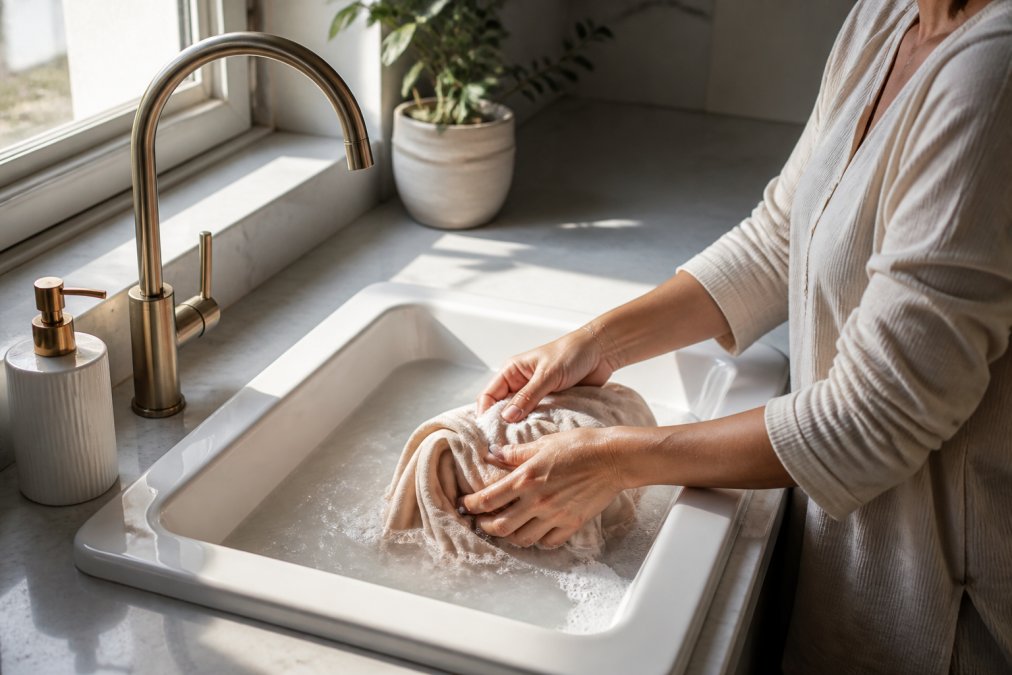
Wash luxury loungewear in cold water on a gentle cycle to preserve fiber density and prevent shrinkage. Air-dry whenever possible or tumble dry on low heat, as high temperatures damage natural fibers. Avoid bleach and fabric softeners, which break down fabric integrity. Store pieces flat or folded rather than hanging to prevent stretching. Pre-shrunk fabrics like those in the Lunar Essence Fleece Crew maintain their shape when you follow these protocols, extending the garment's lifespan significantly.
Comfort shouldn't require compromise between quality and budget. S&Y company offers premium loungewear designed for professionals and home-focused individuals who want pieces that feel genuinely comfortable while looking intentional. Explore our collection of natural fiber loungewear pieces and discover how durability and thoughtful design transform your daily comfort routine.