


Table of Contents
- Urban Outfitters vs Target Home Decor: A Direct Comparison
- Urban Outfitters Home Goods In Store: What You'll Find
- Target Home Decor Brands and Collections
- Finding Affordable Room Decor at Each Retailer
- Urban Outfitters Decor Dupes and Designer-Inspired Finds
- Which Retailer Fits Your Style and Budget
- Frequently Asked Questions
Last Updated: October 18, 2026
Urban Outfitters vs Target Home Decor: A Direct Comparison
When you're shopping for home decor, the choice in urban outfitters vs target home decor feels straightforward until you actually start comparing them. Both retailers offer affordable room decor options, but they approach home furnishings completely differently. Understanding these differences saves you time and money when decorating your space.
Urban Outfitters and Target home decor serve different aesthetic preferences and budgets. Urban Outfitters leans toward eclectic, trend-driven designs with bohemian and vintage influences. Target focuses on accessible, family-friendly collections with seasonal variety. The real distinction lies in how each retailer curates their inventory, prices their products, and manages availability.
Style and Aesthetic Differences
Urban Outfitters positions itself as the destination for distinctive, culturally aware decor. Their home goods emphasize statement pieces, bold tapestries, unconventional wall art, and eye-catching decorative accessories that signal individual taste.
Target's approach centers on approachable, livable aesthetics. Their home decor collections feature clean lines, neutral palettes, and versatile pieces that work across multiple design styles. Target's owned brands like Threshold, Opalhouse, and Project 62 deliver consistent quality at lower price points.
The bohemian decor aesthetic dominates Urban Outfitters, expect abundant throw pillows, macramé wall hangings, and vintage-inspired furnishings. Target's seasonal collections rotate through trending styles (farmhouse, mid-century modern, minimalist) but maintain a mainstream sensibility.
Price, Quality, and Value
Urban Outfitters prices premium for their aesthetic positioning. A single throw pillow runs higher than comparable Target options. Their decorative accessories, vases, frames, wall art, reflect the brand's curated positioning. You're paying for distinctiveness, not just function.
Target undercuts Urban Outfitters across nearly every category. Throw pillows, table lamps, decorative vases, and framed prints cost significantly less. Target's owned brands maintain acceptable quality at these lower price points, though materials vary by collection. The trade-off: less uniqueness, more standardization.
Quality differences emerge with extended use. Urban Outfitters' higher price tag sometimes reflects better materials, thicker tapestries, sturdier furniture frames, more durable finishes on decorative items.
Shipping, Returns, and Availability
Target offers faster, more flexible fulfillment options. Same-day delivery through Shipt covers most urban areas. In-store pickup is nearly universal. Returns at Target stores eliminate shipping hassles for most customers.
Urban Outfitters ships nationwide but with longer processing times than Target. Their return policy allows 60 days, matching Target's window, but shipping returns requires more effort.
Availability directly impacts your shopping experience. If you need room decor for a specific date, Target's inventory depth and fulfillment speed make it the safer choice. Urban Outfitters works better for planned purchases where timing is flexible.
Urban Outfitters Home Goods In Store: What You'll Find
Walking into an Urban Outfitters store reveals a carefully edited selection of home furnishings and decorative accessories. Every piece communicates intentionality. The store feels like a curated collection rather than a broad inventory.
In-Store Selection and Inventory
Urban Outfitters stocks approximately 40-60% of their total home decor assortment in physical locations. This selective approach creates urgency, popular pieces disappear quickly. The in-store experience emphasizes discovery.
Their seasonal decor rotations happen faster than competitors'. New collections arrive monthly, particularly during holiday seasons. This constant refresh keeps the aesthetic fresh but makes it harder to find specific items on repeat visits.
The store layout groups items by aesthetic theme, bohemian corner, vintage finds, modern minimalist section, making it easier to envision how pieces coordinate.
Exclusive and Limited-Edition Items
Urban Outfitters regularly releases exclusive home decor pieces unavailable elsewhere. These limited-edition items drive traffic and justify premium pricing. Collaborations with independent artists and designers create one-of-a-kind wall art and decorative accessories that Target cannot replicate.
Their vintage and pre-loved section carries curated secondhand finds, authentic vintage furniture, rare tapestries, and unique decorative pieces. This section rotates constantly and varies significantly by location. Serious vintage collectors make repeat visits specifically for these items.
Exclusive doesn't always mean better. Some limited-edition pieces carry novelty pricing rather than quality justification. The distinctiveness appeals to customers building personal aesthetic identity, not necessarily to those seeking functional home furnishings.
Target Home Decor Brands and Collections
Target's home decor strategy relies on owned brands and strategic partnerships. This approach delivers consistency across locations and predictable availability.
Owned Brands and Partnerships
Threshold represents Target's core home decor brand, neutral, versatile, accessible. Threshold pieces work as foundational items: basic throw pillows, simple vases, straightforward wall art. The brand emphasizes value without sacrificing functionality.
Opalhouse targets design-conscious shoppers seeking affordable room decor with personality. The collection incorporates global influences, bold colors, and eclectic patterns.
Project 62 focuses on mid-century modern furniture and accessories. Clean lines, quality materials, and thoughtful design distinguish this collection from basic home furnishings.
Good & Gather extends into home entertaining, dishware, glassware, and tabletop decor. This collection bridges kitchen and dining room styling, offering coordinated looks at accessible prices.
Seasonal and Trending Collections
Target's seasonal collections rotate through holiday themes and trending aesthetics. Halloween, Christmas, and spring collections arrive on predictable schedules. Each seasonal collection includes wall art, decorative accessories, throw pillows, and themed furnishings.
The seasonal approach means inventory resets frequently, creating urgency during peak decorating seasons. You'll find extensive holiday decor options three months before the actual holiday, plenty of time to plan.
Trending collections respond to broader design movements. When farmhouse aesthetic peaked, Target featured extensive rustic collections. As minimalism gained traction, they expanded clean-lined options. This responsiveness keeps Target relevant but also means trends fade quickly in their inventory.
Finding Affordable Room Decor at Each Retailer
Budget matters when decorating multiple rooms or refreshing your entire home. Both retailers offer affordable room decor, but finding the best deals requires strategy.
Budget-Friendly Categories
Throw pillows represent the most affordable way to transform a room at either retailer. Urban Outfitters' pillows start around mid-range pricing but frequently go on sale.
Wall art and tapestries offer dramatic visual impact at reasonable cost. Urban Outfitters' tapestries range from budget-friendly to premium depending on material and artist.
Decorative vases, frames, and tabletop decor represent the most flexible budget category. Both retailers offer options from under ten dollars to premium price points.
Bedding and soft furnishings like rugs present larger budget commitments. Target's owned brands deliver acceptable quality at lower prices.
Sales, Clearance, and Timing
Urban Outfitters runs regular sales but rarely discounts below 30% off. End-of-season clearance provides the deepest discounts, typically 40-50% off. Seasonal transitions (late January, late July, early November) offer the best sale windows.
Target's clearance cycles are more aggressive. Seasonal items hit 50-70% off during clearance. Weekly sales rotate through different categories. Red Card members receive additional discounts. Timing your purchases around Target's weekly ads maximizes savings.
The strategic approach: buy foundational pieces (neutral throw pillows, basic vases, simple frames) at Target year-round at regular prices. Reserve Urban Outfitters shopping for distinctive pieces you genuinely want, then wait for sales. This balances budget constraints with aesthetic goals.
Urban Outfitters Decor Dupes and Designer-Inspired Finds
The term "dupes" refers to affordable alternatives that capture the aesthetic of higher-priced designer pieces. Urban Outfitters specializes in designer-inspired home decor, while Target offers accessible versions of trending styles.
How to Spot Lookalike Pieces
Designer-inspired pieces typically follow recognizable patterns. A bohemian wall hanging inspired by a $300 artist tapestry might cost $40 at Urban Outfitters.
Look for specific design markers: macramé construction, hand-dyed appearance, artisanal finish, vintage-inspired details. These signals suggest designer influence. Compare details carefully, thread quality, color accuracy, size proportions, between inspiration and the actual piece.
Target's designer-inspired approach focuses on aesthetic categories rather than specific designer replication. Their bohemian collection captures the bohemian decor movement without directly copying specific designers.
The key distinction: Urban Outfitters positions pieces as curated finds with artistic merit. Target frames collections as trend-responsive, accessible alternatives.
Quality and Durability of Inspired Designs
Designer-inspired pieces rarely match the quality of originals. Material substitutions, synthetic fringe instead of genuine fiber, machine-made instead of hand-dyed, printed instead of woven patterns, reduce cost and durability.
Urban Outfitters' inspired pieces generally outlast Target's equivalent items due to better material selection. A bohemian throw pillow from Urban Outfitters maintains its appearance longer than Target's version, justifying the price difference for long-term use.
The practical reality: buy designer-inspired pieces with the expectation they'll trend out before they wear out. Plan to refresh these items every 2-3 years. This approach keeps your home current without requiring premium-quality pieces designed to last decades.
Which Retailer Fits Your Style and Budget
Choosing between Urban Outfitters and Target home decor depends on your aesthetic priorities and budget constraints. Neither is universally better, the right choice matches your specific situation.
Choosing Based on Aesthetic Preference
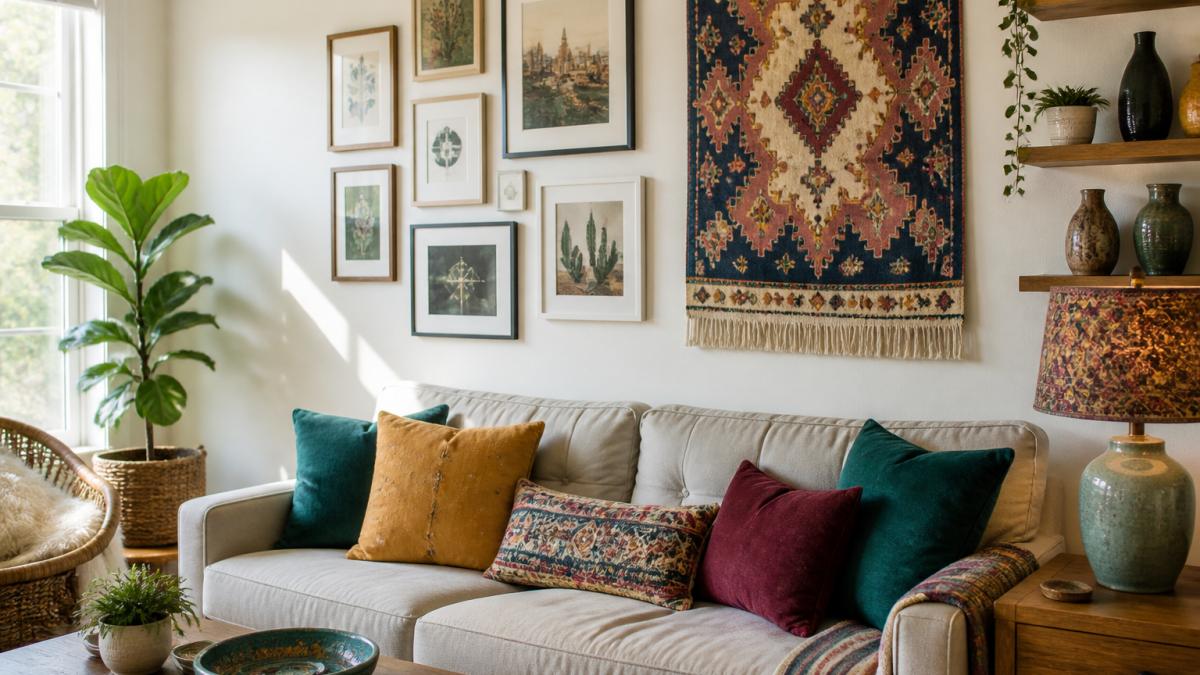
Choose Urban Outfitters if you prioritize distinctive, trend-forward aesthetics. Their eclectic style and bohemian decor focus appeals to customers building personal design identity. Urban Outfitters works best for accent pieces and statement furniture that express individual taste.
Select Target if you prefer versatile, timeless home furnishings that coordinate easily. Their neutral palettes and accessible design approach work across multiple interior styles. Target excels at foundational pieces and complete room solutions.
Consider mixing both retailers. Use Target for foundational items, basic throw pillows, neutral wall art, simple decorative accessories. Add Urban Outfitters pieces for personality and distinction. This combination balances budget efficiency with aesthetic expression.
Choosing Based on Budget and Value
Budget-conscious shoppers should prioritize Target. Their consistently lower prices across all categories make room decor more affordable. Target's owned brands deliver acceptable quality at prices 30-50% below Urban Outfitters. For decorating multiple rooms, Target's pricing advantage becomes significant.
Mid-range budgets work with both retailers. Buy foundational pieces from Target, invest in distinctive items from Urban Outfitters. This balanced approach delivers styled rooms without excessive spending.
Premium budgets can afford Urban Outfitters' higher prices for quality and distinctiveness. Their pieces maintain appearance longer and offer genuine uniqueness. For customers prioritizing lasting quality over trend-responsiveness, Urban Outfitters represents better long-term value despite higher initial cost.
Common Mistakes When Shopping at Either Retailer
Avoid buying entire room schemes from a single retailer. Urban Outfitters' consistent aesthetic can feel overwhelming in large quantities. Target's standardization creates monotony when overused.
Don't assume higher prices guarantee better quality. Urban Outfitters' premium reflects aesthetic positioning and brand prestige as much as material quality.
Resist impulse purchases of trendy pieces. Both retailers feature heavily marketed seasonal items designed to drive sales.
Neglecting to check return policies before purchasing. Urban Outfitters allows 60 days for returns; Target matches this window.
Both Urban Outfitters and Target home decor serve legitimate shopping needs. Your choice depends on whether you prioritize distinctive aesthetic expression or budget-friendly room furnishings.
Frequently Asked Questions
Does Urban Outfitters have home goods in store?
Yes, Urban Outfitters stocks home goods in physical stores, though selection varies by location. In-store inventory includes wall art, tapestries, throw pillows, decorative accessories, and seasonal decor. Many Urban Outfitters locations feature a dedicated homeware section with both permanent and rotating items. Online inventory is typically larger, so checking the website first can help you locate specific products before visiting a store.
What is the home decor brand at Target?
Target carries multiple home decor brands, including its own owned labels like Threshold, Room Essentials, and Threshold with Kasler. These brands offer affordable furniture, bedding, rugs, storage solutions, and decorative accessories across various styles. Target also partners with designer collaborations and carries third-party brands. Their owned brands focus on budget-friendly, accessible design that ranges from minimalist to eclectic styles.
Is Urban Outfitters or Target cheaper for home decor?
Target generally offers lower prices on home decor, particularly on basics like bedding, rugs, and storage. Urban Outfitters typically prices higher, reflecting its focus on designer-inspired, eclectic, and limited-edition pieces. However, both retailers run sales and clearance events. Your savings depend on the specific product category: Target excels on everyday homeware, while Urban Outfitters may offer better value on unique, curated items if you wait for promotions.
Where can I find affordable room decor besides Target and Urban Outfitters?
Affordable room decor alternatives include World Market for global-inspired pieces, thrift stores for vintage finds, IKEA for functional minimalist items, and online retailers specializing in budget-friendly decor. Consider S&Y Company's curated seasonal decor collections, which emphasize comfort and style. Shopping sales, clearance sections, and off-season items at any retailer extends your budget further.