


Last Updated: November 11, 2026
Quick Summary
Common skincare mistakes that damage the skin barrier include over-exfoliating, using harsh cleansers, stacking too many active ingredients, and skipping moisturizer or sunscreen. The stratum corneum is the outer layer that keeps moisture in and irritants out, so these habits weaken it over time. Simplifying your routine and reintroducing products slowly helps the barrier recover.
- Limit exfoliation to a few times a week, since daily scrubs or acids strip the barrier faster than it rebuilds.
- Use a gentle cleanser once in the morning and once at night, avoiding very hot water.
- Introduce one active ingredient at a time and wait at least a week before adding another.
- Moisturize every day and wear broad-spectrum sunscreen each morning to protect the barrier.
- If the skin stings or stays irritated, return to a simple routine for another week before continuing.
Table of Contents
- What the Skin Barrier Does and Why Its Health Matters
- Damaged Skin Barrier Symptoms to Watch For
- What Causes Skin Barrier Damage in Everyday Routines
- Skipping Moisturizer and Sunscreen
- Skin Barrier Repair: A Staged Routine Reset
- Choosing Skin Barrier Repair Products From Your Routine
- Building a Gentler Routine From Here
- Frequently Asked Questions
What the Skin Barrier Does and Why Its Health Matters
Your skin barrier is the outermost protective layer of your skin, and it does more work than most people realize. The stratum corneum, the top layer of the epidermis, acts as a wall that keeps moisture in and irritants out (The Clinical Relevance of Maintaining the Functional Integrity of the Stratum Corneum in...). When that wall is intact, your skin feels comfortable and resilient. When it breaks down, almost everything else in your routine starts to feel harsher than it should.
A 2025 review in the Journal of Clinical and Aesthetic Dermatology identifies harsh or poorly formulated skin-care products, harsh cleansers, and excessively hot showering as factors associated with impairment of the stratum corneum (Journal of Clinical and Aesthetic Dermatology review on skin barrier physiology). That is why the mistakes covered in this guide matter. Most of them are small, everyday habits rather than dramatic errors.
Skin barrier health also affects how your skin responds to products. A compromised barrier lets more of whatever you apply penetrate more easily, which can turn a gentle serum into a source of stinging or redness. Keeping the barrier strong is the foundation for every other goal in a skincare routine.
Damaged Skin Barrier Symptoms to Watch For
A damaged skin barrier usually shows up as a group of signs rather than a single one. Common symptoms include dryness, tightness after cleansing, redness, stinging when you apply products that used to feel fine, flaking, and a rough or uneven texture.
Some people also notice increased sensitivity to the sun, wind, or cold. Breakouts can appear too, because irritated skin does not always respond well to the products you normally use.
These symptoms overlap with acne, allergy, and other skin conditions, so context matters. If your skin is sore, weeping, or getting worse despite gentle care, a dermatologist can help you sort out what is going on.
What Causes Skin Barrier Damage in Everyday Routines
Most barrier damage comes from routine habits, not from a single bad product. The three patterns below are the most common, and each one is easy to fix once you recognize it.
Over-Exfoliating With Physical and Chemical Products
Exfoliation removes dead skin cells, but too much of it strips the barrier faster than it can rebuild. Scrubs used daily, acids applied every night, and a mix of both are the usual culprits. Start with one gentle exfoliating step a few times a week, and watch for tightness or stinging as a signal to back off.
Harsh Cleansers and Cleansing Too Often
Cleansers that foam aggressively can remove the natural oils that keep skin supple. Washing your face several times a day, or using very hot water, adds to the problem. A gentle cleanser used once in the morning and once at night is enough for most people.
Stacking Too Many Active Ingredients
Retinoids, acids, vitamin C, and benzoyl peroxide each work well, but layering several at once can overwhelm the skin. Introduce one active at a time, and give your skin a few weeks to adjust before adding another.
Skipping Moisturizer and Sunscreen
Skipping moisturizer is one of the quickest ways to weaken the barrier, especially in dry climates or during winter. Moisturizers help hold water in the skin, and skipping them leaves the surface exposed.
Sunscreen is just as important. UV exposure breaks down the skin's structure over time and makes irritation more likely. Daily broad-spectrum sunscreen protects the barrier as well as preventing sunburn.
Skin Barrier Repair: A Staged Routine Reset
When the barrier is visibly compromised, the most useful move is usually to simplify rather than to add. A reset works in three stages, and the order matters because each stage gives the skin a chance to show whether the next one is tolerated.

Stage one: strip back (about 7 to 14 days). Stop every exfoliant, retinoid, acid, and any other active treatment. Keep only a fragrance-free gentle cleanser used once in the morning and once at night, a plain moisturizer applied to damp skin, and a mineral or broad-spectrum sunscreen in the daytime. Lukewarm water is enough for rinsing. Judge progress by comfort rather than by appearance alone.
Stage two: reintroduce a humectant and an occlusive. Once the skin no longer stings with plain products, a hydrating serum with humectants such as hyaluronic acid can be layered under the moisturizer. A moisturizer containing ceramides or fatty acids supports the lipid layer of the stratum corneum, which is what the barrier is physically built from. For a soothing, barrier-supporting option to add during this reset, see Hyaluron Redness Soothing Serum. Keep this stage going for another week or two so you can see whether skin stays calm through a full routine and through changes in weather.
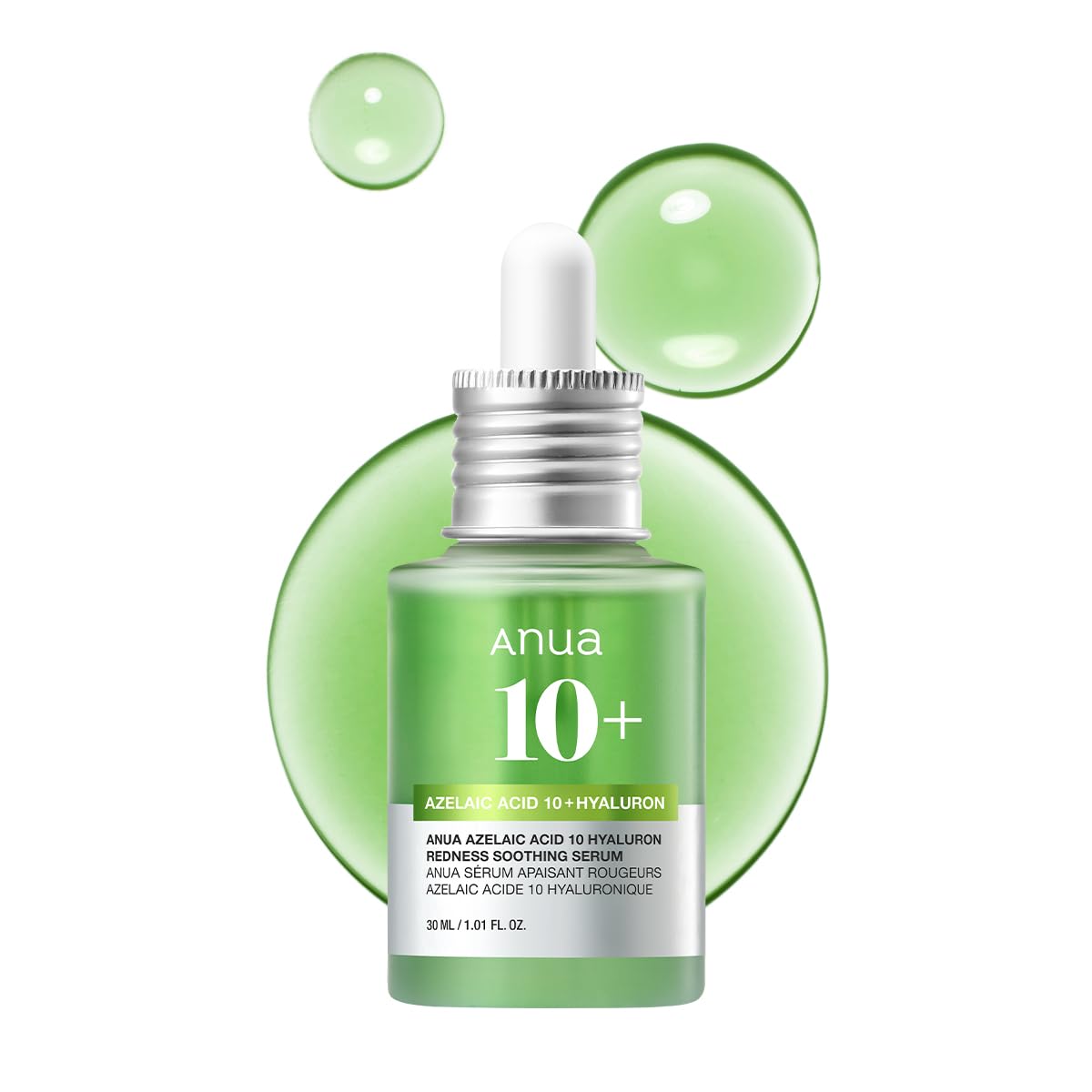
Stage three: return one active at a time. Choose the gentlest active first, such as a low-strength niacinamide or a mild lactic acid used two or three nights a week. Wait at least a week before adding the next active, and keep sunscreen daily throughout. If stinging, burning, or new redness appears, return to stage two for another week rather than pushing through, because irritation at this stage usually means the barrier is still fragile.
Signs you are ready to move forward: skin feels comfortable without a sting after cleansing, the surface no longer looks tight or shiny-raw, and moisturizer absorbs without causing discomfort. If these signs have not appeared after three to four weeks of simplification, or if the skin is weeping, swelling, or spreading redness, that is a reason to see a dermatologist rather than to keep adjusting products.
Watch out: restarting several actives on the same night is the most common way people undo a reset, so change only one variable per week.
For readers with combination or sensitive skin, the same three stages apply but the timeline often runs longer and the reintroduction steps should be smaller.
Choosing Skin Barrier Repair Products From Your Routine
Barrier-supportive products generally work by doing one of three jobs: drawing water in, sealing it in, or replacing the lipids the skin has lost. Knowing which job a product does makes it easier to choose without relying on marketing language.
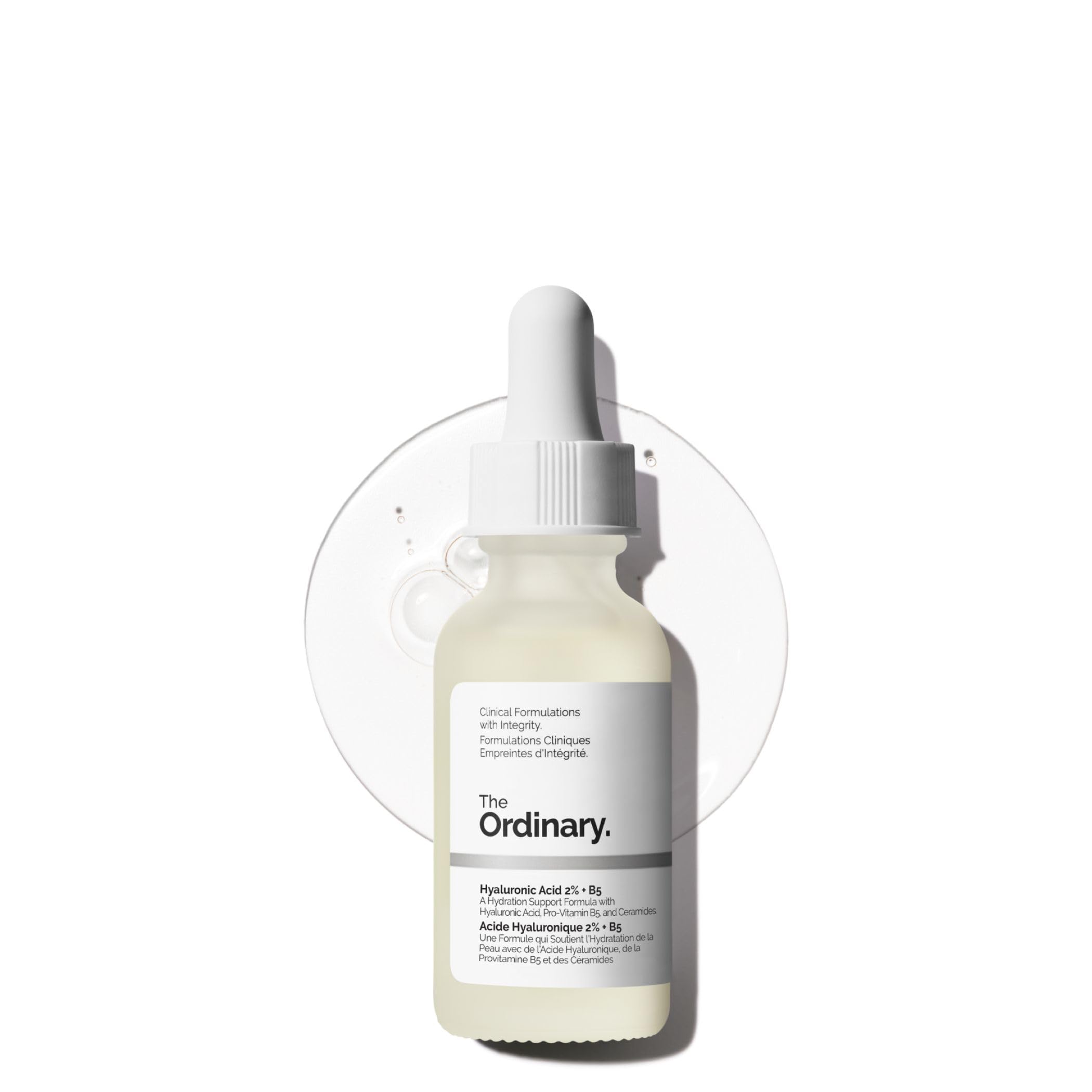
Humectants such as hyaluronic acid and glycerin attract water to the outer layer of the skin. For a hydrating hyaluronic acid option, see The Ordinary Hyaluronic Acid. They feel light and suit most skin types, but on very dry skin they work best when followed by an occlusive, because in low-humidity air they can pull water from deeper layers if nothing seals it in.
Occlusives such as petrolatum, dimethicone, and shea butter form a film that slows water loss. They are useful at night or in winter. Heavier occlusives can feel greasy or clog pores on oily and acne-prone skin, so those readers often do better with lighter occlusives such as dimethicone used in a thin layer.
Lipids such as ceramides, cholesterol, and fatty acids are the building blocks of the stratum corneum itself.
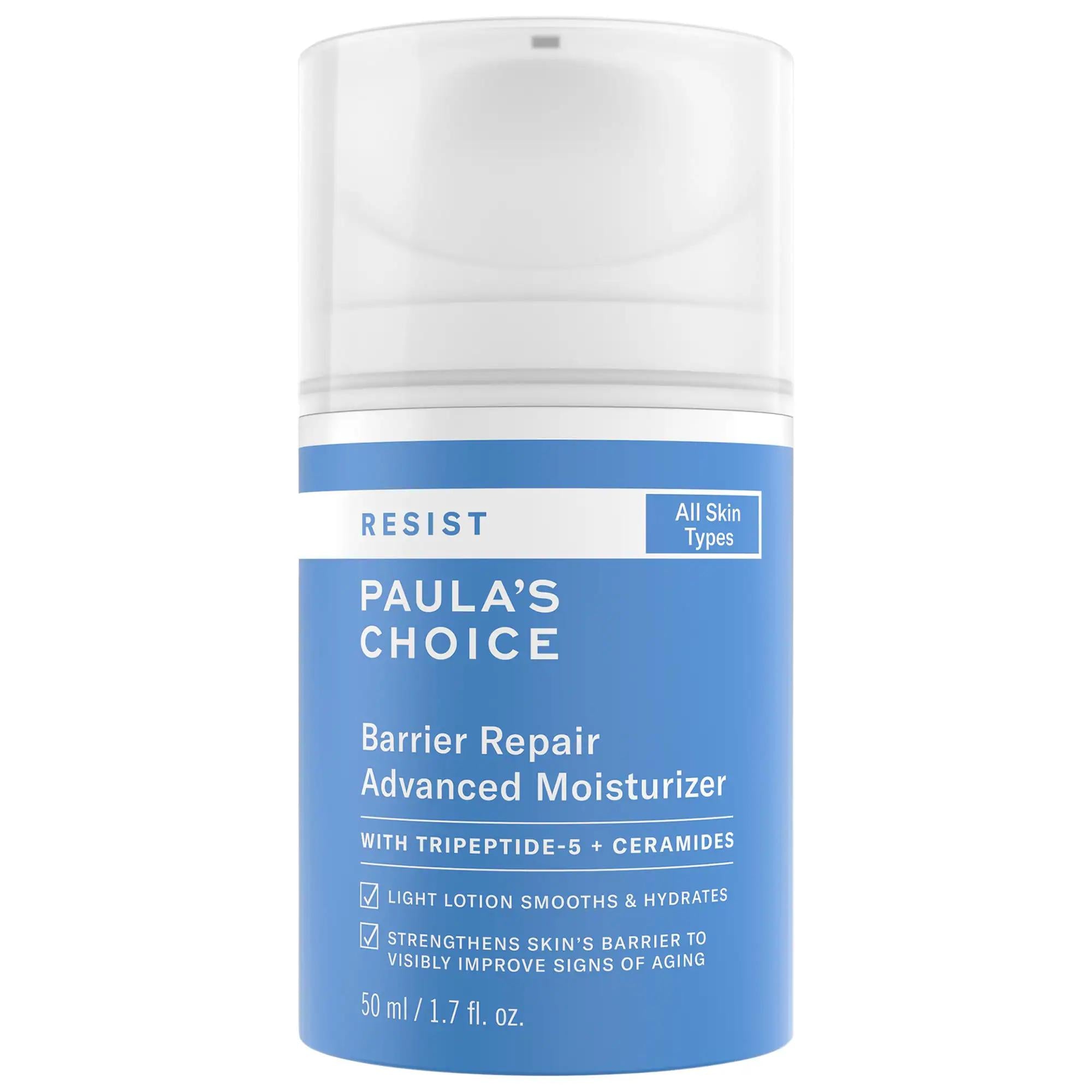
Skin type shapes the choice. Dry and mature skin often needs a combination of a humectant, a lipid, and a richer occlusive. A rich option for rebuilding hydration is Hydrating Face Cream for Dry Skin. Oily and acne-prone skin usually does better with a gel or lotion texture that still includes at least one lipid and a humectant. Sensitive skin is best served by short ingredient lists without added fragrance or essential oils, since those are common triggers. Climate matters too: dry or cold air calls for heavier layers, while humid climates may only need a light lotion.
When comparing products, read the ingredient list rather than the front label and keep the number of new products to one or two at a time. That makes it possible to tell which product is helping and which is causing a reaction.
If a product stings or triggers new redness, stop using it and reassess the rest of the routine before trying another.
Building a Gentler Routine From Here
A gentler routine is built on consistency rather than intensity. Cleanse once or twice a day with a mild cleanser, moisturize every day, and wear sunscreen in the morning. Add exfoliants and actives back slowly, one at a time. If you have combination or sensitive skin, a guide to skincare for combination skin types can help you choose products that suit your skin type.
For a step-by-step approach to sensitive skin, see skincare routine for sensitive skin in 7 steps. Consistent, gentle care protects the barrier far better than any single treatment.
| Mistake | Fix | What It Protects |
|---|---|---|
| Over-exfoliating | Limit exfoliation to a few times a week | Surface barrier lipids |
| Harsh cleansing | Use a gentle cleanser twice daily | Natural oils |
| Stacking actives | Add one active at a time | Skin tolerance |
| Skipping moisturizer | Moisturize daily | Water retention |
| Skipping sunscreen | Apply broad-spectrum SPF every morning | Long-term barrier strength |
Start rebuilding your routine with gentle products from S&Y company, and your skin will thank you for the patience.
Frequently Asked Questions
What can ruin your skin barrier?
Over-exfoliating, using harsh or stripping cleansers, cleansing too often, layering several strong actives at once, skipping moisturizer and skipping sunscreen are the habits most often linked to a damaged skin barrier. Harsh or poorly formulated products and excessively hot showers are commonly associated with impairment of the stratum corneum. Reducing these habits one at a time makes it easier to see which change helps.
How do I tell if my skin barrier is damaged?
Common signs include stinging or burning when applying products, tightness after cleansing, flaking, visible redness, rough texture and a sudden increase in sensitivity to products you used before. Breakouts can also appear. Because several skin conditions look similar, persistent or painful symptoms, or any rash that spreads, should be assessed by a dermatologist rather than treated only at home.
Which skin barrier repair products should I start with?
Start with a gentle cleanser and a moisturizer that supports hydration. A hyaluronic acid serum such as The Ordinary Hyaluronic Acid, which is designed to add moisture to clean, slightly damp skin, can be layered under a moisturizer. Hydrating Face Cream for Dry Skin can serve as a moisturizing layer. Pause exfoliating acids such as The Ordinary Glycolic Acid until your skin feels comfortable again, then reintroduce them slowly.
