


Last Updated: November 14, 2026
Quick Summary
A heavyweight hoodie is a hoodie made from fabric above roughly 10 ounces per square yard, or about 300 GSM and up, which makes it warmer and more durable than a regular hoodie. Regular hoodies are lighter, easier to layer, and better suited to everyday wear and mild weather. Choose heavyweight for cold outdoor use and regular or midweight for daily layering.
- Heavyweight hoodies exceed 10 ounces per square yard, with ultra-heavyweight pieces at 14 ounces or more.
- Regular hoodies sit at about 8 ounces per square yard and layer easily under outerwear.
- Brushed fleece interiors and tight knits often feel warmer than weight alone suggests.
- A 400 GSM hoodie is noticeably warmer than a 240 GSM lightweight sweatshirt.
- For commuting or travel, a midweight hoodie offers the best balance of warmth and flexibility.
Table of Contents
- What Is Considered a Heavyweight Hoodie?
- Heavyweight vs Regular Hoodie: Side-by-Side Comparison
- Warmth Is Not the Same as Weight
- Heavyweight Hoodie 400 GSM: What the Number Means
- Midweight Hoodie: The Middle Ground for Layering
- Pros, Cons and Value for Money: Heavyweight Hoodies for Men and Regular Hoodies
- Choosing Your Hoodie: Booking Your Pick From the S&Y Range
- Frequently Asked Questions
What Is Considered a Heavyweight Hoodie?
A heavyweight hoodie is generally defined by fabric weight, and the thresholds vary by guide. According to Hoodies.com's 2026 Best Heavyweight Hoodies guide, heavyweight hoodies exceed 10 ounces per square yard, with ultra-heavyweight pieces at 14 ounces or more. Weight is measured in ounces per square yard in the US and grams per square metre (GSM) elsewhere, so the two numbers are worth reading side by side before you buy.
Ounces per square yard and GSM, side by side
Fabric weight is the single most useful number on a hoodie label. The rough equivalents below will help you compare listings from different sellers.
- Lightweight: under about 8 oz per square yard (roughly under 270 GSM)
- Regular or midweight: about 8 to 10 oz per square yard (roughly 270 to 340 GSM)
- Heavyweight: above 10 oz per square yard, often starting near 300 to 350 GSM
- Ultra-heavyweight: 14 oz per square yard or more, typically 400 GSM and up
Work-focused guides from 1620 USA's guide to work hoodie fabric and fit put work hoodies at 10 ounces and up, compared with roughly 8 ounces for a typical retail hoodie. That gap is why the same label can mean very different garments depending on where you shop.
Heavyweight vs Regular Hoodie: Side-by-Side Comparison
A heavyweight hoodie trades flexibility for substance. A regular hoodie is lighter, easier to layer, and usually cheaper to produce, which is why it dominates everyday wardrobes. The table below compares the two on the factors that matter most when you shop.
| Factor | Heavyweight Hoodie | Regular Hoodie |
|---|---|---|
| Fabric weight | 10 oz+ per square yard (300+ GSM) | About 8 oz per square yard |
| Warmth | High, suits cold weather | Moderate, suits mild weather |
| Durability | Denser knit, holds up to wear | Thinner, can pill or thin sooner |
| Layering | Bulky under a jacket | Slips under outerwear easily |
| Indoor comfort | Can run hot | Comfortable year-round |
| Best for | Outdoor cold, design work | Daily wear, layering |
Pros of heavyweight hoodies:
- Noticeably warmer in cold conditions
- Dense construction that holds its shape over time
- Holds printed and embroidered designs well
Cons of heavyweight hoodies:
- Can feel too hot for everyday indoor wear
- Restrictive when layered under a jacket
- Heavier to carry and dry
Pros of regular hoodies:
- Easy to layer and comfortable in mild weather
- Lighter and more versatile across seasons
Cons of regular hoodies:
- Less warmth in cold weather
- Thinner fabric can show wear sooner
Warmth Is Not the Same as Weight
Heavier fabric is not automatically warmer, and it is not automatically better quality. Fabric weight tells you how much material is there, but warmth also depends on the yarn, the brushing or fleece backing, and how tightly the fabric is knit. One manufacturing guide from Meiting Garments' heavyweight hoodie manufacturing guide notes that yarn, brushing, compactness, shrinkage, and finish all affect whether a hoodie feels premium or merely heavy.
The construction factors that drive warmth
Four variables explain most of the warmth difference between two hoodies of similar weight:
- Fleece backing and brushing. A brushed interior traps a layer of still air against the body, which is what actually insulates. A 10 oz hoodie with a dense brushed fleece back can feel warmer than a 12 oz hoodie with a flat, unbrushed interior. Look for terms like "brushed fleece," "French terry with brushed back," or "looped terry" in the fabric description.
- Yarn type and fiber. Wool and wool blends insulate even when damp and regulate temperature better than cotton, while cotton fleece is breathable but loses warmth when wet. Synthetic blends can add warmth but may trap odor. The fiber content on the label matters as much as the weight number.
- Knit density and compactness. A tightly knit, compact fabric blocks wind and holds shape; a loose knit lets air pass through and feels cooler even at the same weight. Compactness also affects how the hoodie drapes and how well it resists pilling.
- Fit and wind exposure. A closer fit reduces the air gap that wind can strip away, while a loose fit traps more air but catches more wind. A heavyweight hoodie worn open in gusty conditions can feel colder than a midweight hoodie worn zipped under a shell.
What this means when you shop
In practice, a dense hoodie with a tight brushed interior can outperform a heavier piece that uses a loose, low-quality knit. When you compare two hoodies, look at the fabric description, not just the weight number. A 400 GSM hoodie with a flat back and loose knit may feel less warm than a 350 GSM hoodie with a tight brushed fleece interior.
Watch out: a high GSM number on a listing does not guarantee a brushed or dense interior, some sellers use heavy fabric with a flat back to hit a weight target, and those hoodies feel heavy but not warm.
For breathability, the same logic runs in reverse. A tightly knit heavyweight hoodie traps heat and moisture, which is why it can feel clammy during active use, while a lighter, more open knit releases heat faster.
Heavyweight Hoodie 400 GSM: What the Number Means
A 400 GSM hoodie sits in the heavyweight-to-ultra range. For context, one Rickay Official style guide comparing hoodies and sweatshirts describes a 400 GSM heavyweight hoodie as noticeably warmer than a 240 GSM lightweight sweatshirt. That difference is real, but it is an editorial comparison rather than a controlled test, so treat it as a guide.
A 400 GSM piece suits cold outdoor days, workwear, and printing. For indoor lounging or warm climates, it is usually more than you need.
Midweight Hoodie: The Middle Ground for Layering
A midweight hoodie sits between the two extremes. It gives enough warmth for cool days without the bulk that makes layering difficult. For many people, this is the most practical choice for a single hoodie that works across three seasons.
Midweight pieces also tend to breathe better than heavyweight ones, which matters if you run warm. If you wear a jacket most of the time, a midweight hoodie underneath keeps things comfortable without restricting your arms.
Pros, Cons and Value for Money: Heavyweight Hoodies for Men and Regular Hoodies
Heavier fabric generally costs more to produce, which is one reason heavyweight pieces can be pricier. The question is whether the extra fabric earns its price for how you will actually wear it.
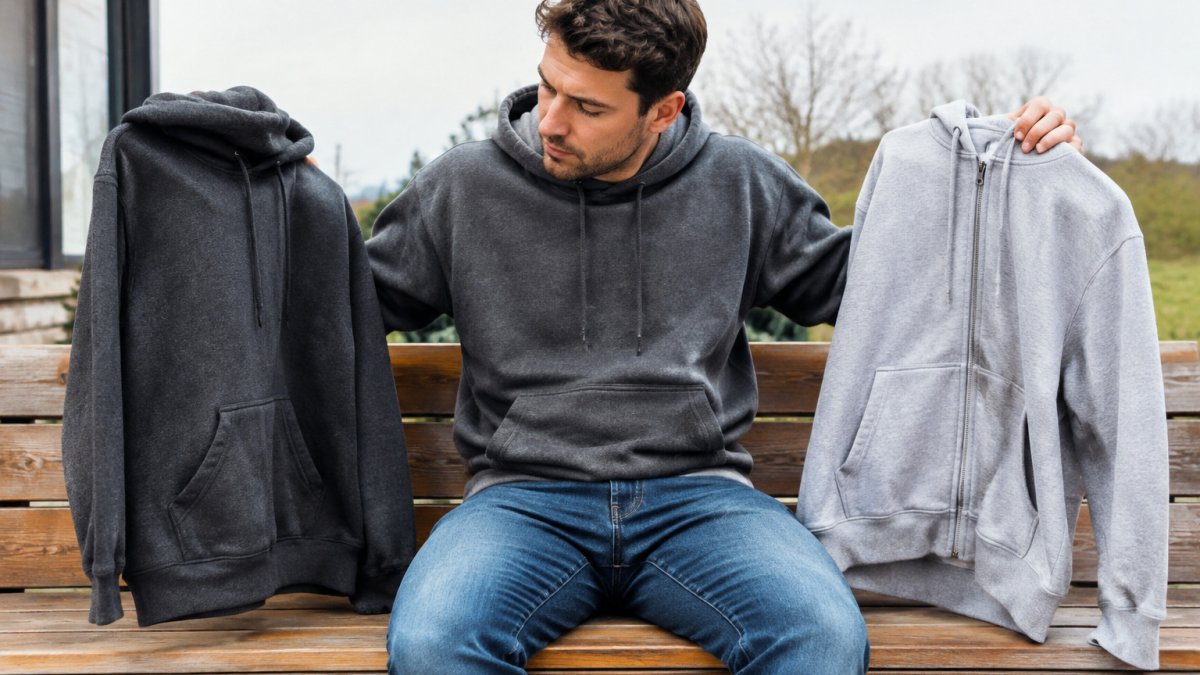
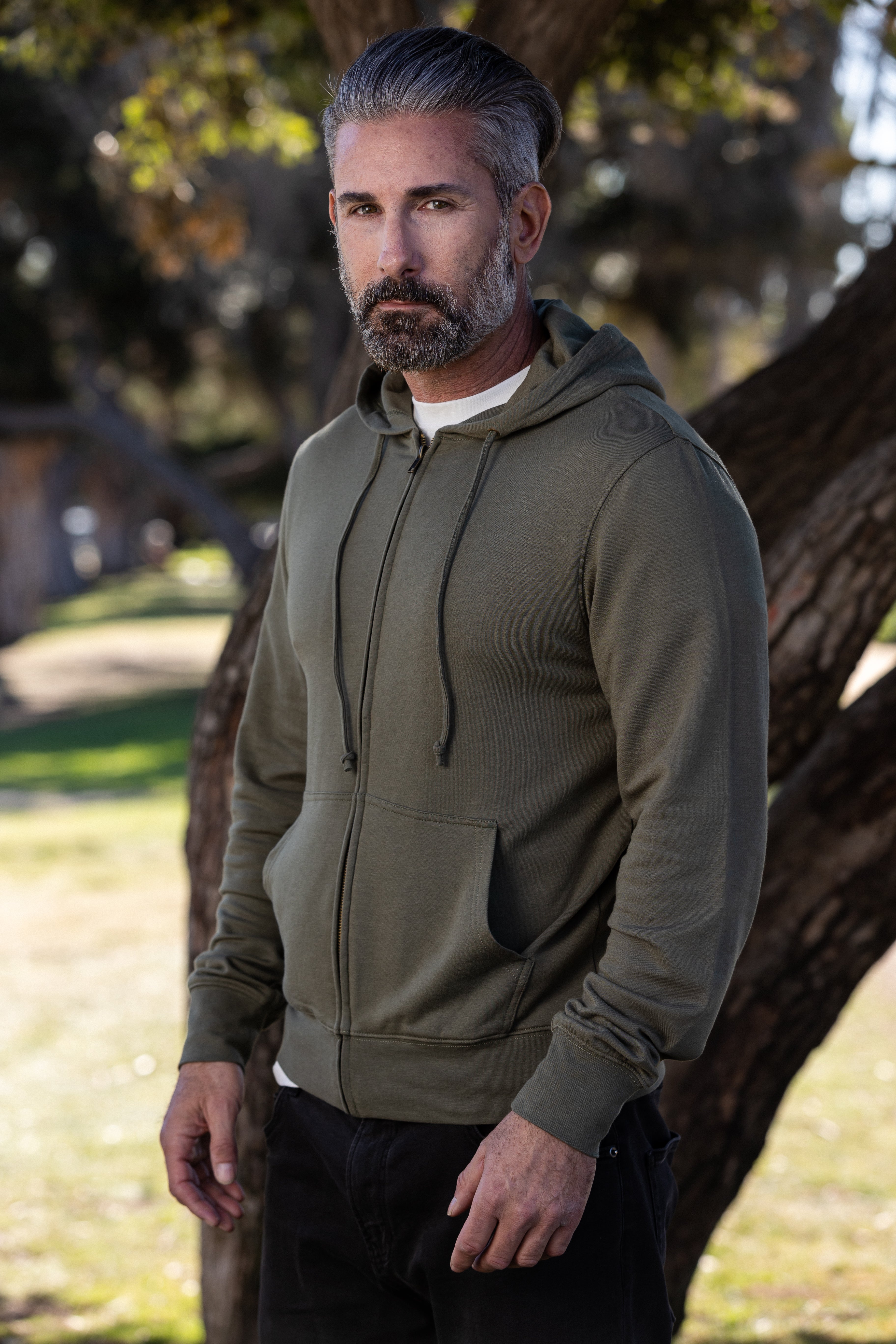
Among our own range, the Men's Eco-Smart Full-Zip Bamboo Viscose Hoodie is a mid-weight option at $59.99, built from bamboo French terry with a relaxed fit. The Men's Loose-Fit Zip-Up Hoodie with Front Pockets starts at $10.52 and suits layering through autumn and winter. For a fuller view of men's fleece pullover options, see our Men's Fleece Pullover Hoodie: Complete 2026 Guide.
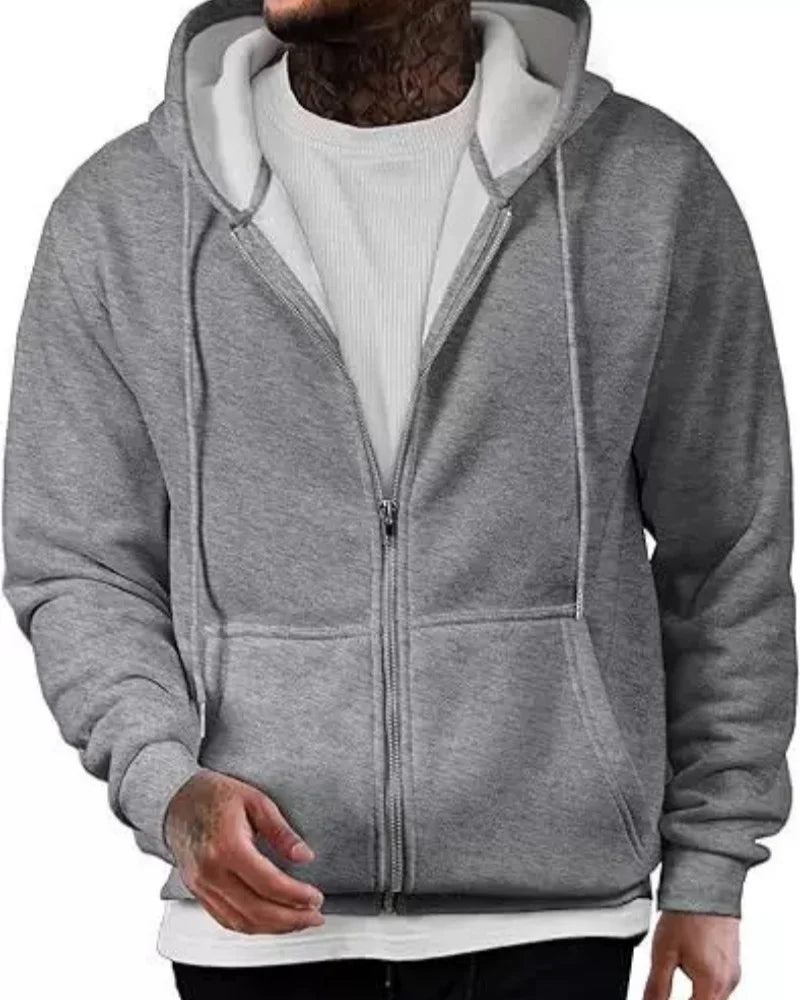
!A man in a thick heavyweight hoodie and a lighter zip-up hoodie compared side by side on a wooden bench in soft daylight
Choosing Your Hoodie: Booking Your Pick From the S&Y Range
Most guides stop at "heavyweight for cold, regular for mild." That advice breaks down the moment you factor in activity, layering, and fit. The framework below matches hoodie weight to how you will actually wear it, then points to options in the S&Y range that fit each use case.
Match the weight to the activity
- Commuting and daily wear. A midweight or regular hoodie (roughly 8-10 oz / 270-340 GSM) is the most versatile choice. It layers under a jacket without bulk, breathes on public transport, and works indoors and out. A heavyweight hoodie is overkill for most commutes unless you spend long stretches waiting outdoors.
- Exercise and active use. Choose a lighter, more breathable knit, regular or midweight, and avoid dense heavyweight fleece, which traps heat and moisture. If you need warmth before or after activity, layer a lightweight hoodie under a shell rather than wearing a single heavy piece.
- Travel. A midweight hoodie packs smaller, dries faster, and adapts to changing climates. Heavyweight hoodies take up more bag space and dry slowly, which matters on multi-day trips.
- Layering under outerwear. Regular and midweight hoodies slip under jackets and coats without restricting arm movement. Heavyweight hoodies add bulk at the shoulders and chest, which can make a fitted jacket uncomfortable.
- Indoor and loungewear. A regular hoodie is usually the better call indoors; heavyweight fabric can run hot in heated rooms and feels restrictive when sitting for long periods.
- Cold outdoor work and long exposure. This is where heavyweight earns its place. A dense, brushed heavyweight hoodie holds warmth during low-activity outdoor time and resists wind better than a lighter knit.
Sizing, mobility, and fit trade-offs
Thicker fabric changes how a hoodie fits and moves. Heavyweight hoodies drape more stiffly, can feel bulky under outerwear, and may restrict range of motion at the shoulders and elbows until broken in. If you plan to layer a heavyweight hoodie, consider sizing up or choosing a cut with raglan sleeves or a relaxed shoulder. Regular and midweight hoodies generally fit closer to size and move more freely.
Watch out: sizing up a heavyweight hoodie to layer it can leave the body too long and the sleeves too wide, check the size chart for chest and sleeve measurements rather than assuming one size up will work.
Picking from the S&Y range
Start with the job the hoodie needs to do. Cold outdoor days call for a heavier fabric, while layering under jackets or wearing indoors favours a midweight or regular weight.
Among our own range, the Men's Eco-Smart Full-Zip Bamboo Viscose Hoodie is priced at $59.99 and built from bamboo French terry with a relaxed fit. The Men's Loose-Fit Zip-Up Hoodie with Front Pockets starts at $10.52 and suits layering through autumn and winter.
Our Men's Autumn Winter Zip-Up Hoodie - Casual Warm Sweatshirt at $17.35 is listed as a casual option for autumn and winter, while the Men's Autumn Winter Zip-Up Hoodie - Casual Loose Fit at $11.14 is listed for everyday layering. The Men's Pullover Hoodie Sweatshirt is priced at $100.78.
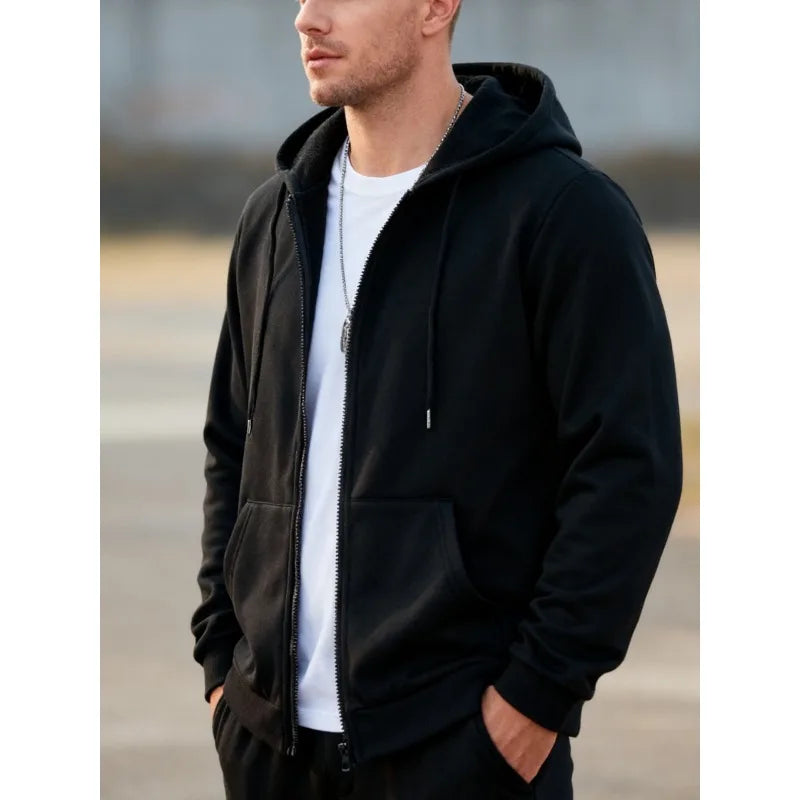
Not sure which weight suits you? Work out where and how often you will wear it, then choose the weight that fits that pattern. Explore the full S&Y range and pick the hoodie that matches your climate and routine.
Frequently Asked Questions
Are heavyweight hoodies better than regular hoodies?
Not automatically. A heavyweight hoodie, generally above 10 oz per square yard, gives more warmth and a substantial feel, but it can run hot indoors and restrict layering under a jacket. A regular hoodie, around 8 oz for a typical retail piece, is lighter and easier to wear across seasons. Choose heavyweight for cold weather, outdoor use or a structured look, and regular for everyday indoor wear and mild days.
Do heavyweight hoodies keep you warmer?
Generally yes, because more fabric per square yard traps more heat. But warmth also depends on yarn, brushing, fabric compactness and fit. A well-made midweight hoodie can feel warmer than a poorly constructed heavy one. Weight tells you how much material there is, not how well it insulates, so check construction as well as the number.
Are heavyweight hoodies more durable than regular hoodies?
Heavier fabric usually resists thinning and stress at the elbows, cuffs and seams better than lightweight fabric, which is why many work and outdoor guides favour it. Durability also depends on fibre content, stitching and care. Washing in cold water and air drying helps reduce shrinkage and wear on any hoodie, whatever its weight.
Is a heavyweight hoodie the same as an oversized hoodie?
No. Weight describes the fabric, while oversized describes the fit. A heavyweight hoodie can be cut slim or relaxed, and an oversized hoodie can be made from lightweight cotton. The S&Y Men's Loose-Fit Zip-Up Hoodie, for example, offers a loose fit with polyester construction, so its warmth depends on its fabric, not its cut.
