


Table of Contents
- What Makes Expensive Skincare Worth the Cost
- Expensive Skincare vs Drugstore Skincare: Where the Real Difference Lies
- Skincare Ingredients That Are Worth the Money
- Cost Per Use and Cost Per Active Ingredient: The Real Value Metric
- How to Build an Affordable Skincare Routine Without Sacrificing Results
- Best Affordable Anti-Aging Skincare Routine for Every Budget
- When Paying More Actually Makes Sense
- Frequently Asked Questions
Last Updated: October 12, 2026
What Makes Expensive Skincare Worth the Cost
Price doesn't equal efficacy. Expensive skincare isn't automatically better or worse, the real question is whether expensive skincare worth the investment for YOUR specific skin needs, concerns, and budget.
Brands charge premium prices for ingredient concentration, delivery systems, clinical testing, brand positioning, or perceived luxury. Some people get results from affordable skincare comparable to high-end alternatives when actives match; others respond better to pricier formulations. Neither experience is universal.
Here's what matters: ingredient quality, concentration levels, formulation stability, and how your specific skin type responds. Price is one signal among many, but it's not the primary one.
Expensive Skincare vs Drugstore Skincare: Where the Real Difference Lies
The difference between luxury and affordable skincare exists in measurable ways. Both can contain evidence-backed ingredients and deliver visible results; distinctions emerge in formulation depth, ingredient concentration, and performance over time.
Affordable skincare often uses simpler formulations with lower concentrations of active ingredients. A drugstore moisturizer might contain hyaluronic acid at 1-2% concentration, while a luxury version could deliver 3-5%. That difference compounds over weeks and months. Similarly, affordable cleansers frequently include more fragrance and preservatives relative to active cleansing compounds, whereas higher-priced options often minimize these additions.

Packaging matters more than most people realize. Expensive skincare typically uses airless pumps, opaque containers, or UV-protective glass to preserve ingredient stability. Drugstore products often come in jars or clear bottles where active ingredients degrade faster under light and air exposure.
Brand positioning drives cost differences. Luxury skincare invests in marketing, all built into the price. Affordable brands often skip this, relying on ingredient efficacy alone.
Expensive formulations often include multiple actives working synergistically rather than a single hero ingredient, which can mean faster texture improvement, more noticeable hydration, or clearer tone.
That said, many people achieve excellent skin outcomes with drugstore products. The gap narrows significantly when you're consistent, use appropriate sunscreen daily, and match products to your actual skin type rather than chasing trends.
Skincare Ingredients That Are Worth the Money
Certain actives justify premium pricing because they're expensive to source, difficult to stabilize, or require formulation expertise. Knowing which deliver measurable value helps you spend strategically.
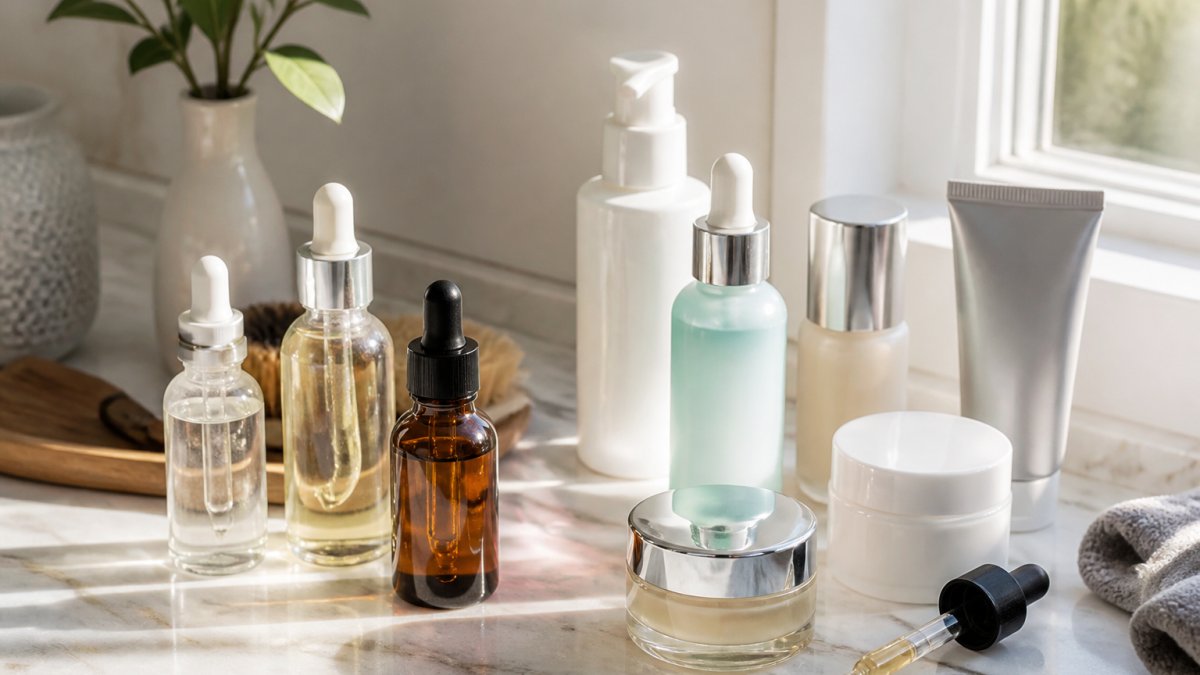
Retinoids command higher prices for good reason. True retinol, retinaldehyde, and prescription-strength retinoids are costly to manufacture and notoriously unstable. They degrade rapidly under light and air, so proper formulation and packaging are non-negotiable. Cheap retinol products often contain degraded actives that won't deliver anti-aging or skin texture benefits.
Vitamin C (L-ascorbic acid) is another ingredient worth the premium. Stabilized L-ascorbic acid requires specific pH levels and protective packaging to remain effective. Budget versions frequently use cheaper vitamin C derivatives that don't penetrate skin as effectively.
Peptides and growth factors are pricier because they're complex molecules requiring careful sourcing and stabilization. Higher-priced products typically contain peptides at concentrations that affect firmness and elasticity; affordable versions may include them as marketing without meaningful concentrations.
Niacinamide is the exception that proves the rule. This ingredient is inexpensive to source and stable across formulations. You can find highly effective niacinamide at drugstore prices. The Ordinary Niacinamide 10% + Zinc 1% Face Serum at just $9.99 delivers niacinamide concentration. For this ingredient specifically, expensive doesn't mean better.

Hyaluronic acid doesn't justify premium pricing on its own, it's affordable and stable. The Ordinary Hyaluronic Acid at $13.37 works effectively for hydration alone. When a luxury brand combines it with peptides, antioxidants, and delivery technology, the overall product becomes more sophisticated and may justify spending more.
Azelaic acid sits in the middle. It's moderately expensive to source and formulate, but affordable options exist. The Ordinary Azelaic Acid Suspension at $14.00 provides effective concentration for texture and tone concerns.
The pattern: ingredients that are expensive to source, difficult to stabilize, or require specific formulation expertise justify premium pricing. Ingredients that are stable, inexpensive, and straightforward to formulate don't.
Cost Per Use and Cost Per Active Ingredient: The Real Value Metric
Most people evaluate skincare by price point alone, not cost per use or cost per active ingredient. That's a critical mistake.
The Ordinary Hyaluronic Acid . →
A $150 eye cream lasting four months costs roughly $1.25 per day; a $30 cream lasting two months costs $0.50 per day. But if the expensive version has peptides at 5% versus 0.5%, the cost-per-active-ingredient calculation flips, you may get more value despite the higher daily cost.
Peter Thomas Roth Instant FirmX Eye at $87.64 is expensive by absolute price. But if it delivers noticeable firmness improvement for three months of daily use, that's roughly $0.96 per day. Compare that to a $20 eye cream lasting three weeks. The math becomes: is the Peter Thomas Roth result worth twice the daily cost?
Calculate cost per use by dividing price by days of use: a $50 serum lasting six months is $0.28 per day; a $15 serum lasting two months is $0.25 per day. The difference is minimal, unless the expensive serum contains pharmaceutical-grade retinoids the affordable one lacks.
Consider concentration alongside price: a $100 moisturizer with 10% glycerin delivers more active per application than a $30 one with 3%, which can justify the higher cost.
How to Build an Affordable Skincare Routine Without Sacrificing Results
You don't need expensive skincare for visible improvement. Strategic selection, consistency, and realistic expectations matter far more than price tags.
Start with the basics: a gentle cleanser, a moisturizer matched to your skin type, and daily sunscreen. A $20 cleanser and $25 moisturizer used consistently beat a $200 serum applied sporadically.
The Ordinary Niacinamide 10% + Zinc 1% Face Serum at $9.99 is an example of affordable efficacy. Niacinamide improves skin tone, texture, and oil balance. You're not sacrificing results by choosing affordability here. Layer it between cleansing and moisturizing for visible improvement.
For hydration, The Ordinary Hyaluronic Acid at $13.37 delivers the same humectant benefit as luxury serums. Apply to slightly damp skin before moisturizer, this affordable serum plus budget moisturizer outperforms expensive single products used inconsistently.
If exfoliation is your priority, The Ordinary Glycolic Acid Exfoliating Toning Solution at $12.15 provides alpha hydroxy acid at effective concentration. Use 2-3 times weekly in your evening routine. For texture concerns, this affordable active ingredient produces visible smoothing and radiance without luxury pricing.

For uneven tone and texture concerns, The Ordinary Azelaic Acid Suspension at $14.00 addresses hyperpigmentation and general skin refinement. It's particularly effective for sensitive skin prone to irritation from other actives.
Build by function, not brand prestige: cleanser, hydration serum, targeted active (niacinamide or azelaic acid), moisturizer, sunscreen. This costs under $60 and delivers results.
| Product | Price | Function | Best For |
|---|---|---|---|
| The Ordinary Niacinamide 10% + Zinc 1% | $9.99 | Tone & texture | All skin types |
| The Ordinary Hyaluronic Acid | $13.37 | Hydration | Dry & dehydrated skin |
| The Ordinary Glycolic Acid | $12.15 | Exfoliation | Dull, textured skin |
| The Ordinary Azelaic Acid Suspension | $14.00 | Tone & sensitivity | Uneven tone, reactive skin |
The key to affordable skincare success: consistency beats luxury. Using a $20 product every single day delivers better results than using a $200 product three times weekly because you're intimidated by its price.
Best Affordable Anti-Aging Skincare Routine for Every Budget
Anti-aging doesn't require expensive skincare, but it requires strategic ingredient selection and consistency. Here's how to build routines at different price points.
Under $40 Total Investment:
Cleanser + The Ordinary Niacinamide 10% + Zinc 1% Face Serum ($9.99) + The Ordinary Hyaluronic Acid ($13.37) + budget moisturizer + sunscreen. This addresses fine lines through hydration, texture via niacinamide, and UV protection. Without prescription retinoids, consistent hydration and niacinamide still produce visible refinement.
$40-$80 Budget:
Add The Ordinary Glycolic Acid ($12.15) for exfoliation that improves fine line appearance through surface smoothing. The combination of niacinamide, hyaluronic acid, and glycolic acid addresses multiple anti-aging concerns: skin texture, hydration, and radiance.
$80-$120 Budget:
The Ordinary Hyaluronic Acid . →
Include Peter Thomas Roth Instant FirmX Eye ($87.64) for targeted under-eye care. The delicate eye area benefits from specialized formulation. Combine this with The Ordinary actives for a comprehensive routine addressing overall skin aging plus specific eye concerns.
The anti-aging principle remains constant across budgets: hydration, exfoliation, sun protection, and consistency matter more than product price. A person using affordable serums daily sees anti-aging results.
When Paying More Actually Makes Sense
Expensive skincare isn't universally wasteful. Specific situations justify premium pricing if you understand what you're paying for.
Sensitive skin requiring specialized formulation: If your skin reacts to fragrance, common preservatives, or multiple actives, luxury brands often offer fragrance-free, minimalist formulations. The higher price reflects development costs for sensitive-skin compatibility, fewer reactions and better results.
Complex skin concerns requiring multiple actives: Someone addressing hyperpigmentation, acne, and aging simultaneously might benefit from a luxury serum combining retinoids, niacinamide, and peptides. Affordable options typically feature single actives.
Professional or clinical-grade products: Dermatologist-recommended brands often cost more because they've undergone clinical testing and maintain pharmaceutical-grade manufacturing standards. If your skin concern is severe, clinical-grade products might deliver results affordable alternatives cannot.
Targeted eye care: The eye area's delicate skin benefits from specialized formulations. Peter Thomas Roth Instant FirmX Eye at $87.64 addresses specific eye-aging concerns.
Preference for luxury experience: Some people apply skincare more consistently when they enjoy the ritual of premium products.
Established skin routine requiring enhancement: If you've already optimized basics with affordable products and achieved good results, adding one luxury item for a specific concern makes sense. Don't start with expensive skincare; upgrade strategically after affordable options plateau.
Expensive skincare doesn't make sense when you're inconsistent, haven't identified your skin type, are chasing trends, or are buying luxury products to replace sun protection and basic moisturizing.
Whether expensive skincare is worth the cost depends on your skin, concerns, and behavior. Expensive skincare worth the investment when it addresses your specific needs, contains actives at effective concentrations, and fits a routine you'll maintain consistently.
For most people, affordable skincare from S&Y company, including The Ordinary Niacinamide, Hyaluronic Acid, and Glycolic Acid, delivers visible results. Strategic spending on targeted concerns (like Peter Thomas Roth Instant FirmX Eye for specialized eye care) makes sense.
Build your routine around ingredient efficacy and consistency, not price tags. Your skin responds to what you use daily, not what costs the most.
Frequently Asked Questions
Is expensive skincare actually better than drugstore products?
Not always. Expensive skincare may contain higher concentrations of active ingredients or refined formulations, but drugstore options can deliver results too. The difference often comes down to ingredient concentration, packaging that preserves potency, and whether the product matches your specific skin type and concerns. A $15 product with the right ingredient for your skin can outperform a $100 product that doesn't address your needs.
Which skincare ingredients are worth paying more for?
Ingredients like retinol, vitamin C, hyaluronic acid, and azelaic acid show strong evidence for visible results. When these appear in higher concentrations and stable formulations, they justify a higher price point. Look for products that list active ingredients early in the formula and include stabilizing compounds. The Ordinary Azelaic Acid Suspension at $14 delivers azelaic acid in an effective suspension at a reasonable price point.
Can you get effective skincare on a budget?
Yes. Affordable skincare routines work when you focus on evidence-backed ingredients rather than brand prestige. Start with a cleanser, a targeted serum like The Ordinary Hyaluronic Acid ($13.37) or The Ordinary Niacinamide ($9.99), a moisturizer, and sunscreen. These essentials address hydration, texture, and protection without premium pricing. Many people see measurable results spending $50-80 monthly on affordable, well-formulated products.
How do I know if a skincare product is worth the money?
Evaluate three factors: ingredient concentration (does the active ingredient appear early in the formula?), formulation stability (does packaging protect the product?), and cost per use (how long does it last?). Check whether the product addresses your specific skin concern with evidence-backed ingredients. Avoid products that rely on marketing claims alone. Compare similar products by calculating cost per active ingredient, not just total price.