
Table of Contents
- Start with a Neutral Base for Seasonal Styling
- Minimalist Seasonal Decor Ideas That Actually Work
- Incorporating Natural Textures and Botanicals
- Lighting and Mood: The Psychology of Seasonal Transitions
- How to Transition Home Decor Between Seasons Without Clutter
- Urban Outfitters vs Target Home Decor: Why Modern Minimalists Choose Differently
- Decluttering and Storage Tips for Year-Round Seasonal Pieces
- Creating Vignettes and Focal Points with Seasonal Accents
- Frequently Asked Questions
Last Updated: September 23, 2026
Start with a Neutral Base for Seasonal Styling
A neutral base is the foundation that lets seasonal decor modern home shine without overwhelming your space. Think soft whites, warm grays, natural wood tones, and muted beiges, colors that recede into the background. This approach works because it gives you flexibility. When December arrives and you're ready to introduce rich reds and golds, they pop against calm walls and furnishings. When spring comes, soft pastels and fresh greens feel refreshing rather than chaotic.
The key is understanding that neutral doesn't mean boring. Natural fibers like linen, cotton, and wood grain add texture and warmth. Layering these materials creates visual interest without relying on color. A minimalist seasonal decor approach means your base stays consistent year-round while accent pieces do the heavy lifting. This is especially important for seasonal decor modern home design, where clean lines and uncluttered surfaces define the aesthetic.
According to design principles documented in interior design best practices from the American Society of Interior Designers, neutral foundations increase perceived spaciousness and allow seasonal transitions to feel intentional rather than jarring. This matters because it means you're not repainting walls or replacing major furniture pieces when the season changes.
Minimalist Seasonal Decor Ideas That Actually Work
Minimalist seasonal decor isn't about having less. It's about having only what serves a purpose, either functional or genuinely beautiful. The difference matters because it changes how you approach each season.
Choose One Color Palette Per Season
Pick a single color palette and commit to it completely. For winter, this might be deep forest green with cream and natural wood. For spring, soft sage with white and pale yellow. For fall, terracotta with warm gray and bronze. One palette creates cohesion and prevents the "everything everywhere all at once" feeling that kills a modern aesthetic.
This constraint actually makes decorating easier. Instead of wandering through stores grabbing random festive items, you're hunting for pieces that fit your specific palette. You'll buy less, spend less, and end up with a more curated look. The psychology of seasonal transitions works better when the shift feels intentional rather than chaotic. Your brain registers a deliberate color change as a refresh, not an assault.
Invest in Multi-Functional Decor Pieces
Buy seasonal pieces that earn their storage space year-round. A beautiful wooden ladder works as a blanket display in winter and a plant stand in summer. String lights serve double duty as ambient lighting for cozy evenings. Natural branches in a tall vase transition from fall foliage to bare winter branches to spring blossoms with just a swap of what you put inside.

S&Y company's Window Curtain String Lights - 4M Fairy Lights exemplify this multi-functional approach. The soft, warm glow creates ambiance whether you're decorating for the holidays or simply want to add warmth to your space during darker months. These lights work in bedrooms, living rooms, or entryways, they're not locked into one seasonal use.
The real win with multi-functional pieces is the math. You own fewer total items but use them across multiple seasons. Your storage footprint shrinks, your home feels less cluttered, and you actually get value from everything you keep.
Incorporating Natural Textures and Botanicals
Natural textures are what prevent a minimalist home from feeling cold or sterile. Woven baskets, linen curtains, raw wood shelving, and stone accents all add warmth without introducing visual chaos. Botanicals, real or high-quality faux, do the same thing at a seasonal level.
Fresh greenery costs less than you think and lasts longer than most people expect. A simple eucalyptus branch in a clear glass vase costs under five dollars and works for months. Dried pampas grass, preserved oak leaves, and natural birch branches create texture without requiring water or maintenance. These materials create the "curated aesthetic" that separates intentional decorating from random clutter.
The key is restraint. One or two botanical arrangements per room, not five. A single statement piece, like a tall branch arrangement, creates more visual impact than scattered small items. This is where seasonal transitions happen naturally. Swap out your spring branches for fall foliage, then winter evergreens. Same vase, same placement, completely different seasonal feel.
Lighting and Mood: The Psychology of Seasonal Transitions
Lighting temperature matters more than most people realize. Cool white light (5000K+) feels clinical and energizing. Warm white light (2700K-3000K) feels cozy and intimate. When you're transitioning between seasons, your lighting should shift too.
In fall and winter, introduce warm ambient lighting. This isn't just about aesthetics, it's about psychology. As daylight decreases, warm lighting combats seasonal mood shifts by creating a sense of comfort and containment. String lights, table lamps with warm bulbs, and candles all contribute to this effect. The S&Y company Window Curtain String Lights - 4M Fairy Lights provide that soft, warm glow that makes spaces feel intentionally decorated rather than hastily thrown together.
In spring and summer, let natural light dominate. Remove heavy curtains, clean windows thoroughly, and use lighting more sparingly. The shift itself becomes the seasonal signal, more daylight, brighter spaces, lighter mood.
Christmas Ornaments Set – Red Green →
Research from environmental psychology studies on lighting effects demonstrates that lighting temperature directly influences mood and perceived spaciousness. This means your seasonal lighting choices aren't just decorative, they're functional.
How to Transition Home Decor Between Seasons Without Clutter
The transition process is where most people fail. They add new seasonal items without removing old ones, creating a layered mess. Instead, think of seasonal transitions as swaps, not additions.
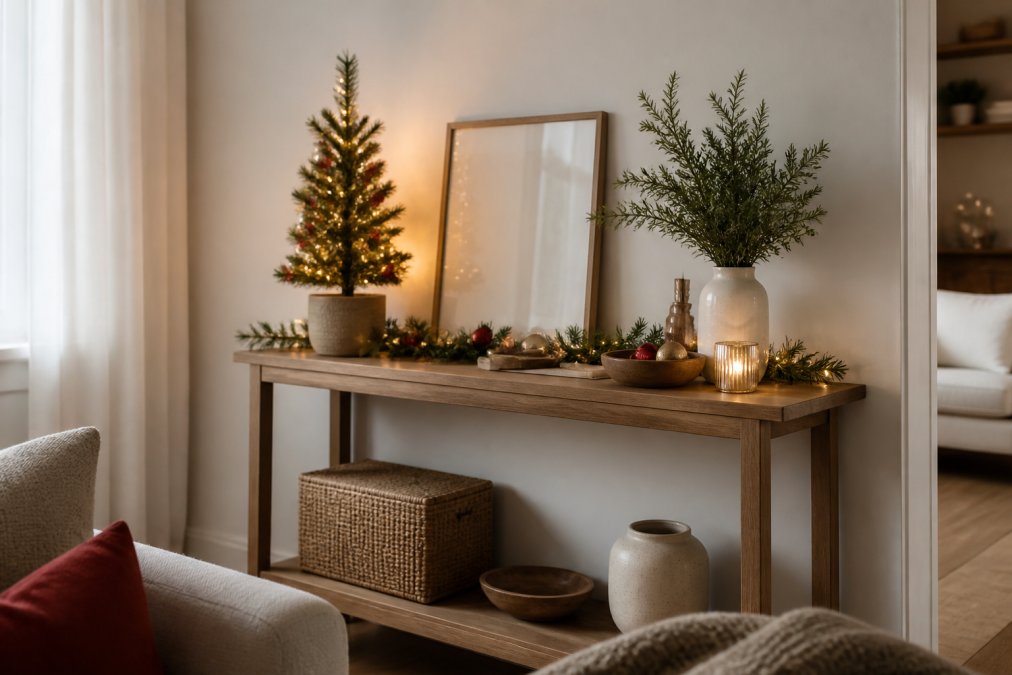
Step 1: Decide on your focal points. Most rooms have 2-3 natural focal points, a mantel, a console table, a shelf corner. These are where seasonal decor lives. Everything else stays neutral year-round.
Step 2: Remove the old season completely. Before bringing in new pieces, take everything out. This gives you a clean slate and forces you to be intentional about what goes back in.
Step 3: Introduce your new palette gradually. Don't hang every decoration at once. Start with your focal points, live with them for a few days, then add supporting pieces if the space needs it. This prevents over-decorating.
Step 4: Store properly. This determines whether your pieces survive for next year in good condition.
Sustainable Seasonal Storage Solutions
Storage determines whether seasonal decorating is sustainable or becomes a burden. Poor storage means items get damaged, you forget what you own, and you end up buying duplicates.
Invest in clear plastic bins with labels. You should be able to see what's inside without opening them.
| Season | Storage Priority | Best Location | Key Items |
|---|---|---|---|
| Winter | Keep accessible | Hall closet or bedroom closet | Lights, ornaments, greenery |
| Spring | Moderate access | Upper shelves or under-bed | Pastel accents, light botanicals |
| Summer | Lower priority | Back of closet or storage room | Minimal decor, mostly stored |
| Fall | High access | Easy-reach shelf or closet | Branches, warm-toned accents |
Urban Outfitters vs Target Home Decor: Why Modern Minimalists Choose Differently
The question isn't which store is "better", it's which one aligns with your approach to seasonal decorating. Both carry seasonal items, but they cater to different aesthetics and budgets.
Decluttering and Storage Tips for Year-Round Seasonal Pieces
Decluttering seasonal items happens in phases. First, remove anything broken or stained. If you haven't fixed it by now, you're not going to. Second, remove anything that doesn't fit your current color palette or aesthetic. Tastes change, and holding onto pieces you don't love wastes space.
Creating Vignettes and Focal Points with Seasonal Accents
A vignette is a small, intentionally styled arrangement that draws the eye. In seasonal decorating, vignettes are where your personality shows. They're also where restraint matters most. A well-styled vignette has 3-5 pieces, not fifteen.
Frequently Asked Questions
What are some good minimalist seasonal decor ideas for a modern home?
Focus on one accent color per season and use natural textures like wood, linen, and dried botanicals. Rotate just 3-5 key pieces rather than filling every surface. A single statement piece, like a 5-foot Christmas tree or a curated ornament set in coordinated colors, creates impact without visual noise. Choose decor that serves double duty, such as textured throw pillows that work year-round but in seasonal fabrics. This approach keeps your space feeling intentional and clutter-free while honoring seasonal transitions.
How do I transition home decor between seasons without creating clutter?
Use a rotation system: store off-season pieces in labeled, stackable containers that fit under beds or in closets. Before bringing out new seasonal decor, remove the previous season's items completely. Limit yourself to one box per season. Invest in multi-functional pieces like neutral throw blankets, natural wood accents, and botanical elements that work across seasons. This way, you're swapping only accent pieces, not overhauling your entire aesthetic. Plan transitions during off-peak decorating times to avoid impulse purchases.
What makes seasonal decor in a modern home different from traditional holiday decorating?
Modern seasonal styling prioritizes spatial flow and minimalist aesthetics over abundance. Instead of covering every surface, you create curated vignettes with intentional color palettes and natural textures. Lighting plays a bigger role, soft ambient glow and warm color temperature create mood rather than bright, busy displays. You also embrace negative space, allowing your home's architecture and furniture to remain the focal point while seasonal accents enhance rather than dominate. This approach works across all seasons, not just holidays.
How do I choose seasonal decor that fits my modern aesthetic?
Start by identifying your home's color palette and sticking to it. Choose pieces in neutral bases (cream, grey, natural wood) with seasonal accent colors. Look for items made from natural fibers and materials, linen, ceramic, wood, dried grasses. Avoid plastic or overly themed pieces. Invest in quality items like the Christmas Ornaments Set in red, green, and gold tones, which coordinate with modern interiors and last multiple seasons. Measure your spaces before buying to ensure pieces fit your scale and layout without overwhelming the room.